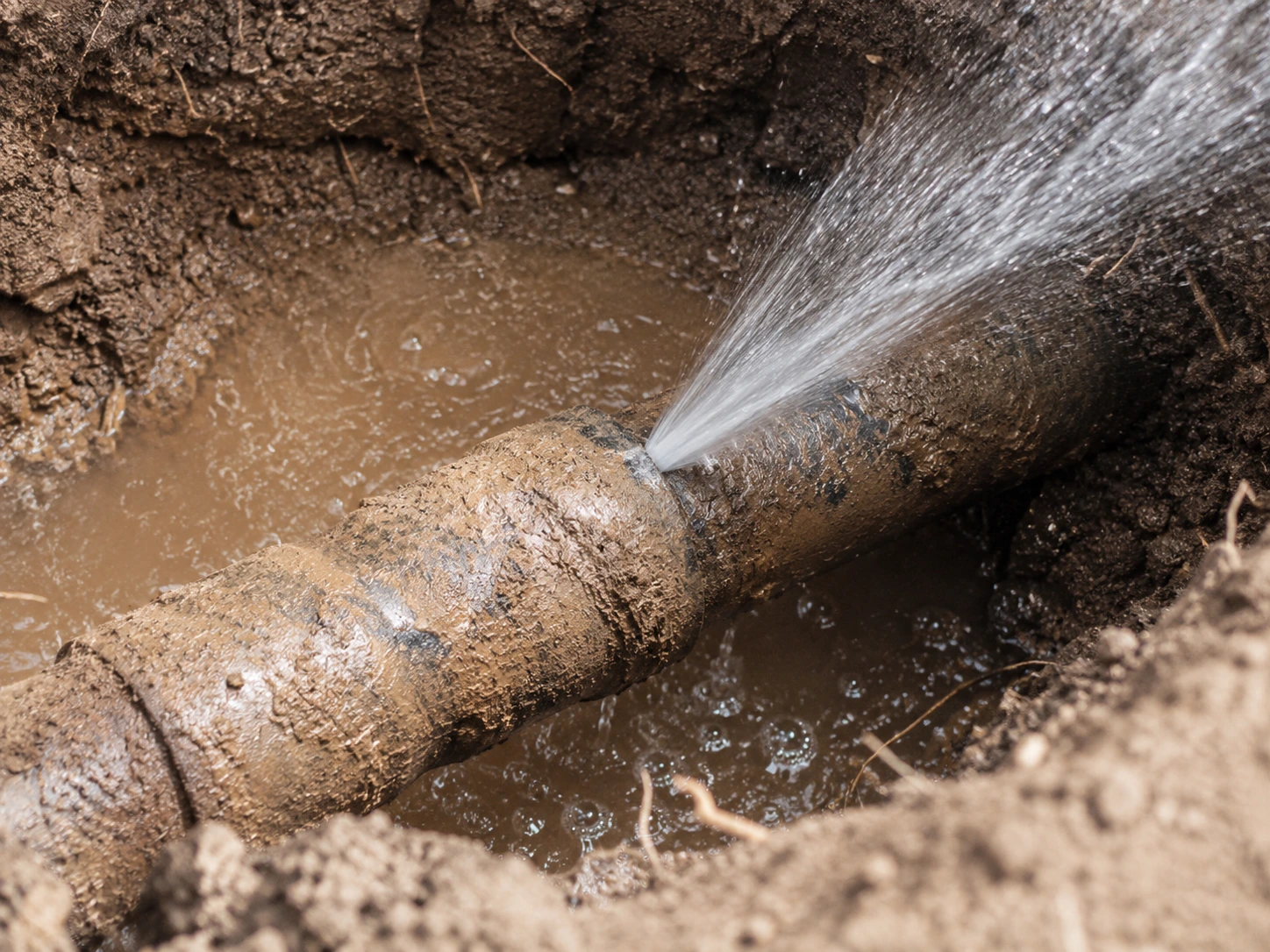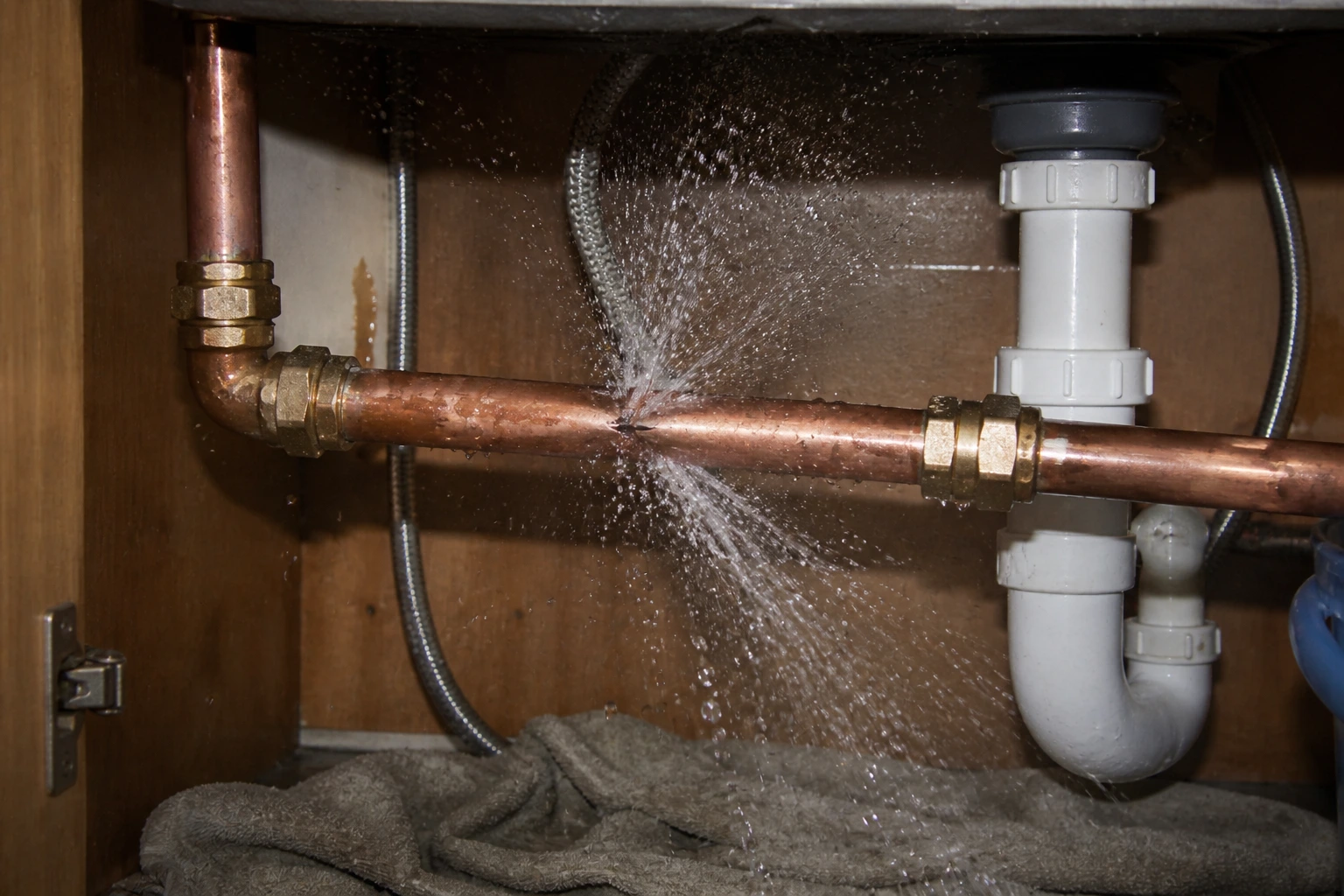
A burst pipe is one of the most destructive and expensive plumbing failures a homeowner can face. While corrosion and age contribute to pipe degradation, the most catastrophic ruptures are caused by freezing temperatures. When water freezes, it expands by approximately 9%, creating thousands of pounds of pressure per square inch. This pressure doesn't usually break the pipe where the ice forms; instead, it forces liquid water toward a closed faucet until the pipe wall violently gives way.
Understanding the repair costs, the best materials for replacement, and long-term prevention strategies is critical for protecting your property.
The True Cost of a Burst Pipe
The financial impact of a burst pipe is twofold: the cost to repair the plumbing infrastructure and the cost to remediate the resulting water damage.
1. Plumbing Repair Costs
The cost to fix the pipe itself depends heavily on accessibility and the extent of the damage.
- Accessible Repairs (Basements, Crawlspaces): If the fractured section is exposed and easily accessible, a localized repair typically costs between $150 and $400.
- Inaccessible Repairs (Behind Drywall, Under Slabs): If the plumber must open walls, remove cabinetry, or excavate a concrete slab, the plumbing repair alone can escalate to $500 to $2,000+.
- Emergency Call-Out Fees: If the burst occurs at night, on a weekend, or during a regional deep freeze (when plumbers are in high demand), expect an emergency dispatch premium of $100 to $300 on top of the hourly rate.
2. Water Damage and Remediation Costs
The plumbing repair is often the cheapest part of the equation. According to industry insurance data, the average water damage claim from a burst pipe ranges from $5,000 to $70,000, depending on how long the water ran before shutoff. This includes water extraction, structural drying, drywall replacement, and mold remediation.
Repiping Materials: PEX vs. Copper
When repairing a burst pipe or undertaking a preventative whole-home repipe, the choice of material significantly impacts longevity, cost, and freeze resistance. The industry standard has shifted from rigid metal to flexible synthetics, but both have distinct applications.
Traditional Copper Piping
Copper has been the gold standard in plumbing for over half a century. It is highly durable, naturally biostatic (resists bacterial growth), and unaffected by UV light.
- Pros: Lifespan of 50–70 years; won't degrade outdoors; increases home resale value.
- Cons: Highly susceptible to bursting if frozen; expensive material costs; labor-intensive installation requiring open-flame soldering (sweating joints); vulnerable to corrosion from highly acidic well water.
- Average Cost to Repipe: $8,000 – $15,000+ for an average single-family home.
Cross-Linked Polyethylene (PEX)
PEX is a flexible plastic tubing that has dominated residential new construction and repiping for the last two decades.
- Pros: Highly freeze-resistant (the tubing can expand and contract without fracturing); cheaper material costs; incredibly fast installation; eliminates the need for 90-degree elbows and multiple joints, reducing potential leak points.
- Cons: Cannot be exposed to direct sunlight (UV rays degrade the plastic rapidly); rodents have been known to chew through it; shorter track record than copper (expected lifespan is 40–50 years).
- Average Cost to Repipe: $4,000 – $8,000 for an average single-family home.
The Verdict for Freezing Climates: If you live in an area prone to severe winters—or in southern states where homes are not built to withstand sudden freezes—PEX is vastly superior for preventing burst pipes. Its inherent flexibility absorbs the expansion of freezing water that would easily split rigid copper or CPVC.
Permanent Fixes and Preventative Winterization
Repairing a burst pipe without addressing the environmental vulnerability guarantees a repeat failure. Implement these permanent solutions to safeguard your plumbing:
1. Upgrade Pipe Insulation
Pipes located in unheated spaces (attics, crawlspaces, exterior wall cavities, and garages) are the most vulnerable.
- Wrap all exposed pipes in high-quality fiberglass or polyethylene foam pipe insulation.
- Ensure there are no gaps at the joints or bends. The insulation should fit snugly against the pipe.
2. Install Thermostatic Heat Tape
For pipes in extreme-risk zones (like mobile home underbellies or uninsulated well houses), self-regulating heat tape is a highly effective active defense. This electrical cable wraps around the pipe and automatically generates heat when the ambient temperature drops near freezing.
3. Reroute Vulnerable Lines
If a specific pipe in an exterior wall bursts repeatedly, the most permanent solution is to have a plumber reroute the line through an interior, conditioned space. While this involves upfront drywall and plumbing labor, it permanently eliminates the freeze risk.
4. Seal Air Leaks
Cold drafts are a primary culprit for localized pipe freezing. Inspect your basement, sill plates, and crawlspaces for gaps where winter air penetrates. Seal these openings with expanding foam or weatherstripping to keep the ambient temperature around the pipes stable.
By understanding the mechanics of pipe failures and investing in modern materials and insulation, homeowners can effectively eliminate the risk of catastrophic winter plumbing emergencies.