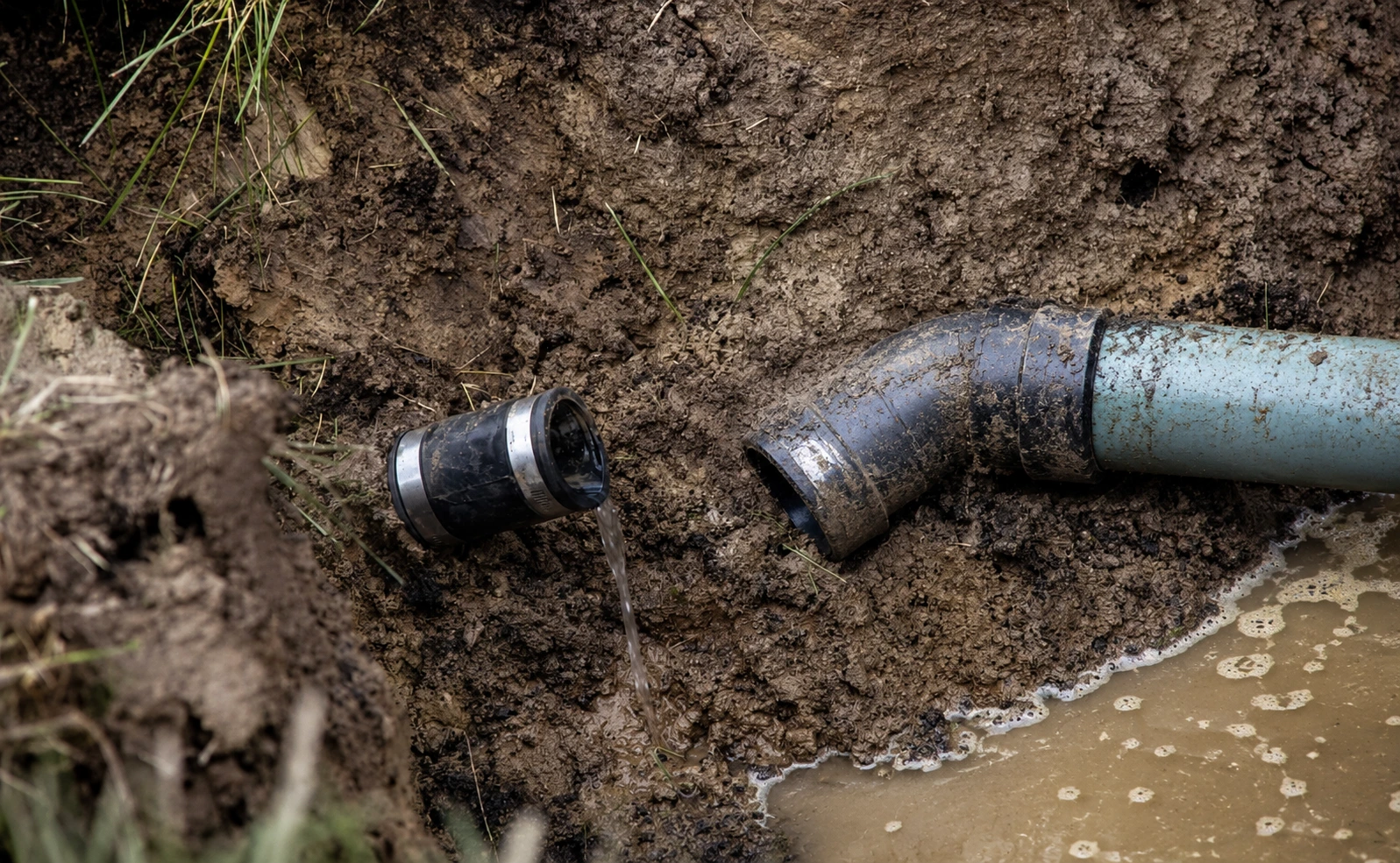
A main sewer line backup is arguably the most hazardous and distressing plumbing emergency a homeowner can experience. When the lateral line connecting your home to the municipal sewer system (or septic tank) becomes blocked, wastewater has nowhere to go but backward. It seeks the lowest point of entry in your home, which typically means raw sewage bubbling up through basement floor drains, ground-floor bathtubs, and shower pans.
Beyond the immediate property damage, a sewer backup introduces severe biological hazards and complex insurance disputes. Knowing how to mitigate the damage safely and properly document the event is vital.
The Biological Threat: Understanding Category 3 Water
In the water damage restoration industry, water is classified by its level of contamination. A sewer backup is strictly classified as Category 3 Water (Black Water).
Category 3 water is grossly contaminated and contains pathogenic, toxigenic, or other harmful agents. It can contain human feces, raw urine, industrial chemicals, heavy metals, and a host of waterborne diseases, including E. coli, Hepatitis A, Giardia, and Salmonella.
Critical Safety Protocols:
- Evacuate the Area: Keep all children, the elderly, and pets far away from the contaminated area.
- Do Not Attempt DIY Cleanup: Standard household cleaners and mops are insufficient for Category 3 biohazards. Porous materials (drywall, carpet, insulation, upholstered furniture) that absorb Category 3 water cannot be salvaged and must be professionally removed and destroyed.
- Turn Off HVAC: If the backup occurs near your furnace or HVAC intake, shut the system down immediately to prevent aerosolized pathogens from circulating throughout the house.
Immediate Mitigation Steps
While waiting for an emergency plumber and a professional water damage restoration crew, take these steps to limit further damage:
- Cease All Water Usage: Every drop of water that goes down a drain—from a flushing toilet, a running dishwasher, or a washing machine—will end up in the flooded room. Shut off the main water valve if necessary to guarantee no one uses the plumbing.
- Cut the Power: If the standing sewage is anywhere near electrical outlets, power strips, or appliances, shut off the electricity to that specific area at the main breaker panel.
- Call Your Municipal Utility (Sometimes): If you notice water backing up while you are not using any water in the house, or if your neighbors are experiencing the exact same issue simultaneously, the blockage may be in the city's main line. Call your local water and sewer authority to report the issue.
Navigating Homeowner's Insurance and Sewer Claims
Homeowners are often shocked to discover that their standard homeowner's insurance policy does not automatically cover sewer backups. ### The Sewer Backup Endorsement Because sewer backups are considered a distinct peril separate from a standard "sudden and accidental" internal pipe burst, coverage usually requires a specific rider or endorsement added to the policy.
- If you have the endorsement: Your policy will typically cover the cost of water damage remediation, replacing damaged property, and sometimes the cost to stay in a hotel if the home is uninhabitable.
- Coverage Limits: Be aware of your limits. A policy might have a $500,000 general liability limit but cap sewer backup payouts at $5,000 or $10,000, which can easily be exhausted by the biohazard cleanup alone.
The Pipe Repair Exclusion
Even if you have a sewer backup endorsement that covers the water damage inside the house, insurance almost never covers the cost to repair the broken sewer pipe itself unless the break was caused by a covered peril (like a sinkhole or a vehicle driving over the yard). If the pipe failed due to age, wear and tear, or tree root intrusion, the homeowner is responsible for the excavation and plumbing repair costs.
The Liability Divide
Knowing exactly where your responsibility ends and the city's begins is crucial. In most North American municipalities, the homeowner is responsible for the "lateral line"—the entire length of pipe from the house all the way to the connection point at the city main, even the portion that runs under the public sidewalk or street. If the blockage is in the lateral line, you pay the bill. If the city determines the blockage is in their main line, you can file a liability claim against the municipality for your damages.
Modern Solutions: Trenchless Sewer Repair
If your lateral line has collapsed, deteriorated (common with older cast iron or clay pipes), or been crushed by tree roots, it must be replaced. Historically, this meant excavating a massive trench across your landscaping and driveway. Today, trenchless technologies offer less destructive alternatives:
- Pipe Bursting: A hydraulic machine pulls a solid, seamless HDPE (High-Density Polyethylene) pipe through the old line, fracturing the old cast iron or clay pipe outward and seamlessly replacing it with the new one.
- Cured-In-Place Pipe (CIPP): An epoxy-saturated felt liner is pulled through the damaged pipe, inflated, and cured with heat or UV light. This creates a smooth, durable "pipe within a pipe" that seals cracks and prevents future root intrusion.
Sewer backups require a coordinated response between emergency plumbers, biohazard remediation teams, and your insurance adjuster. Prioritize safety above all else, document the damage extensively from a safe distance, and verify your insurance coverage limits before authorizing extensive structural repairs.