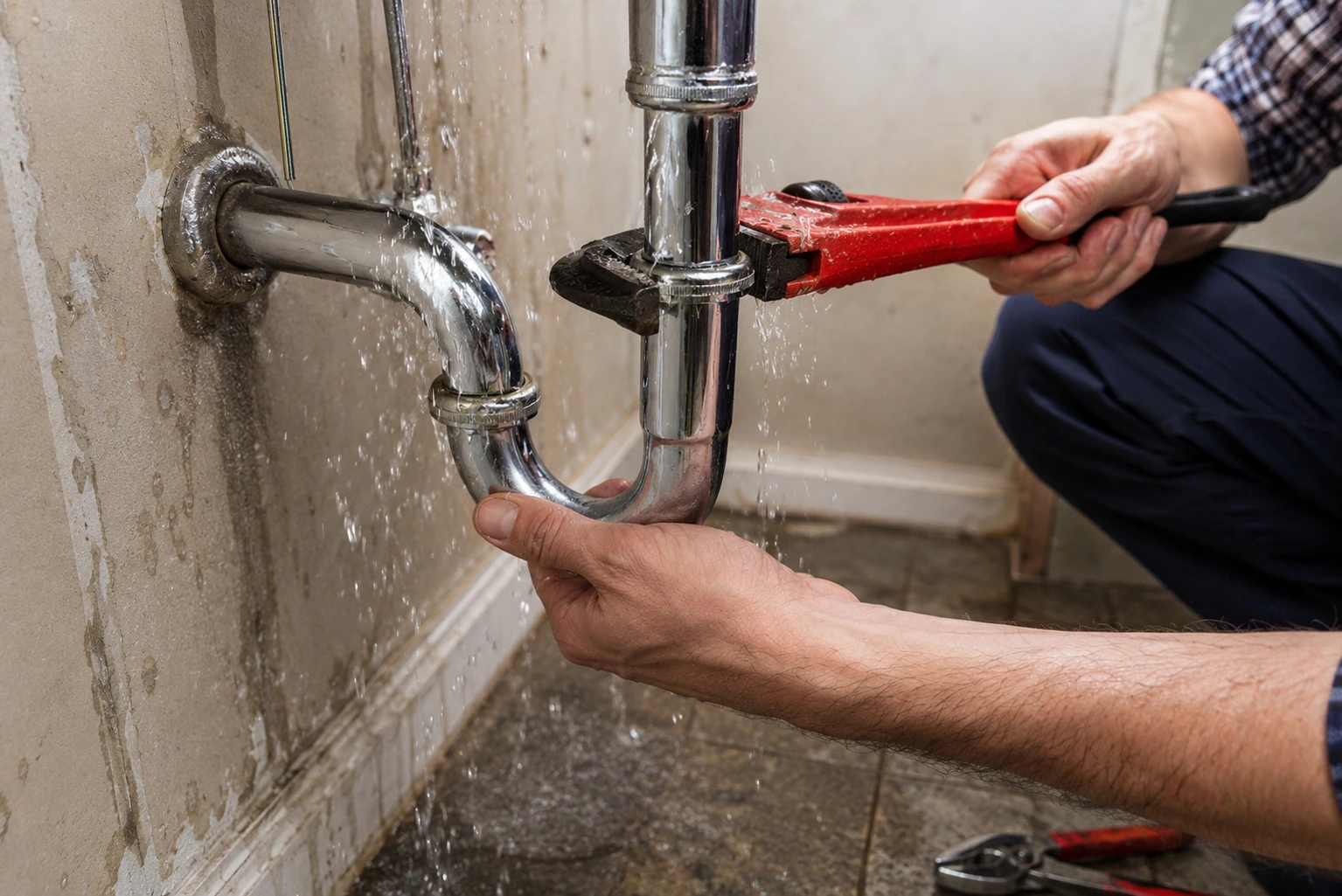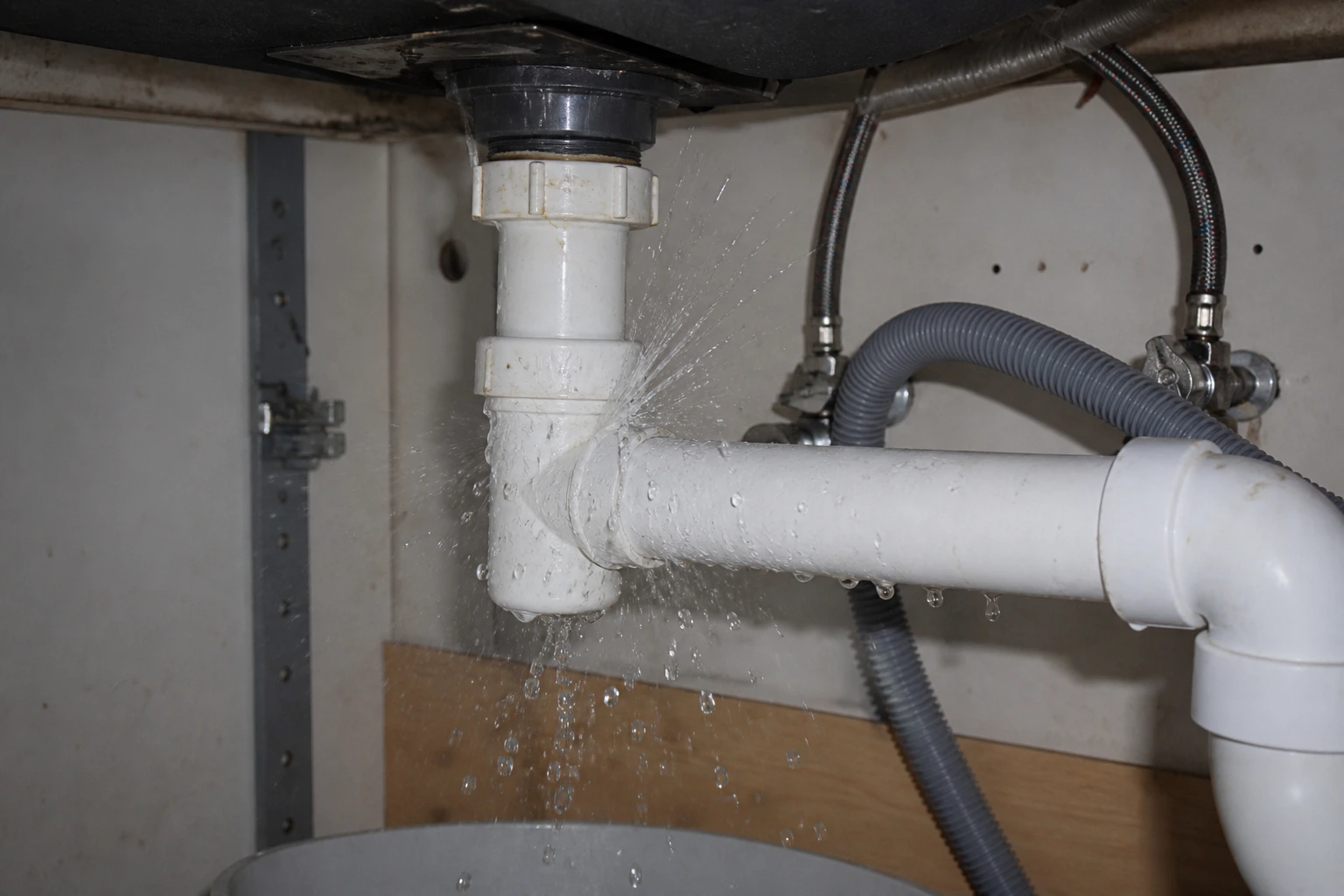
When a plumbing system fails catastrophically, every passing minute compounds property damage and repair costs. A minor leak can release a few gallons an hour, but a fully ruptured 3/4-inch pipe can pump out over 10 gallons of water per minute. The difference between a minor inconvenience and thousands of dollars in structural damage comes down to how quickly and effectively you respond.
This guide provides a step-by-step framework for mitigating the most common plumbing emergencies, securing your home, and preparing for professional intervention.
The First 5 Minutes: Immediate Action Steps
The moment you identify an active leak, flooding, or rapid pressure drop, your immediate goal is containment. Do not attempt to diagnose the root cause until the flow of water has been stopped.
1. Locate and Engage the Main Water Shut-Off Valve
This is the single most important mechanism in your home's plumbing system. Engaging it stops all water entering the property.
- Warm Climates (e.g., Sunbelt, Southern US): The valve is typically located outside on an exterior wall, near the water meter, or in a subterranean street-level box.
- Cold Climates (e.g., Northeast, Midwest): To prevent freezing, the valve is usually located indoors, often in the basement, utility room, or crawlspace where the water main enters the foundation.
- Action: Turn gate valves (wheel-style) clockwise until tight. For ball valves (lever-style), turn the handle 90 degrees so it runs perpendicular to the pipe.
2. Isolate Local Fixtures (If Applicable)
If the emergency is isolated to a specific appliance or fixture (like an overflowing toilet or a burst washing machine hose), you can use the isolation valve rather than shutting down the whole house.
- Look for the silver, football-shaped knob on the wall directly behind or beneath the fixture.
- Turn it completely clockwise to shut off the local supply.
3. Disconnect Electrical Hazards
Water and electricity are a fatal combination. If rising water is anywhere near electrical outlets, appliances, or subpanels, cut the power at the main breaker. Never wade through standing water if there is any chance it is electrified.
4. Relieve System Pressure
Once the main water supply is off, open the lowest faucet in your home (often an outdoor spigot or basement sink) and the highest faucet. This drains the remaining water in the pipes and breaks the vacuum, stopping residual water from leaking out of the burst section.
Diagnosing and Mitigating Common Emergencies
Once the immediate threat is neutralized, you must identify the nature of the failure to relay accurate information to your emergency plumber.
Burst Pipes
Whether caused by freezing temperatures, age-related corrosion, or extreme water pressure, burst pipes require immediate localized mitigation.
- Mitigation: Once water is off, wrap the fracture with a rubber patch and a C-clamp, or apply heavy-duty plumber's tape. Note: This is strictly a temporary measure to stop residual dripping. The pipe will require professional cutting and replacement.
Sewer Line Backups
If water is backing up into your bathtubs or lower-level drains—especially if it smells of sulfur or raw sewage—you have a main sewer line blockage.
- Mitigation: Stop using all plumbing immediately. Do not flush toilets, run the dishwasher, or shower. Any water sent down the drain will resurface at the lowest point in your home. This requires a professional with a heavy-duty sewer auger or hydro-jetting equipment.
Catastrophic Water Heater Failure
A ruptured water heater tank can dump 40 to 80 gallons of scalding water into your home instantly.
- Mitigation: Shut off the cold water intake valve above the heater. Immediately turn off the power supply (flip the breaker for electric heaters, or turn the gas valve to the "off" position for gas heaters). Attach a standard garden hose to the drain valve at the bottom of the tank and route it to a floor drain or outside to empty the tank.
Emergency Plumber vs. Standard Service Call: When to Act
Plumbing services charge premium rates for after-hours emergency calls. Understanding the difference between an emergency and an urgent issue can save you hundreds of dollars in dispatch fees.
Call an Emergency Plumber Immediately If:
- You have an active leak that cannot be isolated with a shut-off valve.
- There is a raw sewage backup inside the home.
- You only have one toilet, and it is completely out of commission.
- Your water heater tank has ruptured (not just a slow drip).
- Your home is without running water entirely due to a main line failure.
Wait for Standard Business Hours If:
- You have a clogged sink or shower, but other drains work.
- A pipe is dripping slowly and can be contained with a bucket.
- You have a minor localized leak that you have successfully bypassed using an isolation valve.
Documenting for Insurance Claims
If your plumbing emergency resulted in property damage, your mitigation efforts must include documentation for your homeowner's insurance policy.
- Photograph Everything: Take clear photos and videos of the active leak, the standing water, and all damaged drywall, flooring, and personal property before you begin cleaning up.
- Do Not Discard Broken Parts: Keep the ruptured pipe section, the broken braided hose, or the failed valve. Claims adjusters often need these to verify the cause of failure.
- Log Mitigation Efforts: Note the exact time the event occurred, when the water was shut off, and any water extraction methods you deployed. Insurance policies require homeowners to take "reasonable steps" to prevent further damage.
By executing these mitigation protocols rapidly, you secure your property and set the stage for a much faster, less invasive professional repair.