A roof leak is one of the most expensive and stressful problems a homeowner can face. In 2026, the average repair cost ranges from $450 for a small patch to more than $12,000–$18,000 when water has reached the attic, insulation, drywall, and flooring. Insurance deductibles and mold remediation can push the total even higher.
The best way to avoid these costs is simple: prevent leaks before they happen.
This ultimate guide gives you everything you need to protect your roof for years to come — from understanding exactly how leaks start to creating a year-round maintenance plan that actually works, no matter what type of roof you have or where you live.
How Roof Leaks Actually Start
Roof leaks rarely appear without warning. They develop when water finds a path through the outer roof covering, the underlayment, or the flashing system.
Water is patient. It follows the path of least resistance — often traveling sideways along the roof deck for many feet before it finally drips into your living space. That is why the stain on your ceiling is seldom directly below the actual leak point.
The three most common entry points are damaged shingles, failed flashing around penetrations (chimneys, vents, skylights), and overflow from clogged gutters or ice dams. Once inside, moisture can remain hidden for weeks, silently rotting wood and encouraging mold.
Top 7 Causes of Roof Leaks (and Exactly How to Prevent Each)
1. Storm Damage
High winds, hail, heavy rain, and falling debris are the leading cause of sudden roof leaks.
Prevention steps:
- After every major storm, perform a ground-level visual inspection within 24 hours
- Remove any debris that has collected in valleys or against chimneys
- Document damage with photos for insurance claims (most policies cover sudden storm damage)
- Schedule professional inspection if you see missing shingles or dents
2. Poor or Aging Flashing
Flashing around chimneys, skylights, plumbing vents, and roof-to-wall transitions fails over time due to thermal expansion, rust, or poor initial installation.
Prevention steps:
- Have all flashing inspected and resealed every 5 years
- Replace any rusted or cracked sections immediately
- Use high-quality, roof-matched sealants rated for your climate
- Consider step flashing upgrades during any re-roof project
3. Clogged Gutters and Downspouts
When gutters overflow, water backs up under the shingles and finds its way inside.
Prevention steps:
- Clean gutters and downspouts at least twice per year (spring and fall)
- Install gutter guards if you have heavy tree cover or pine needles
- Extend downspouts at least 5 feet away from the foundation
- Check for sagging or detached gutters after winter
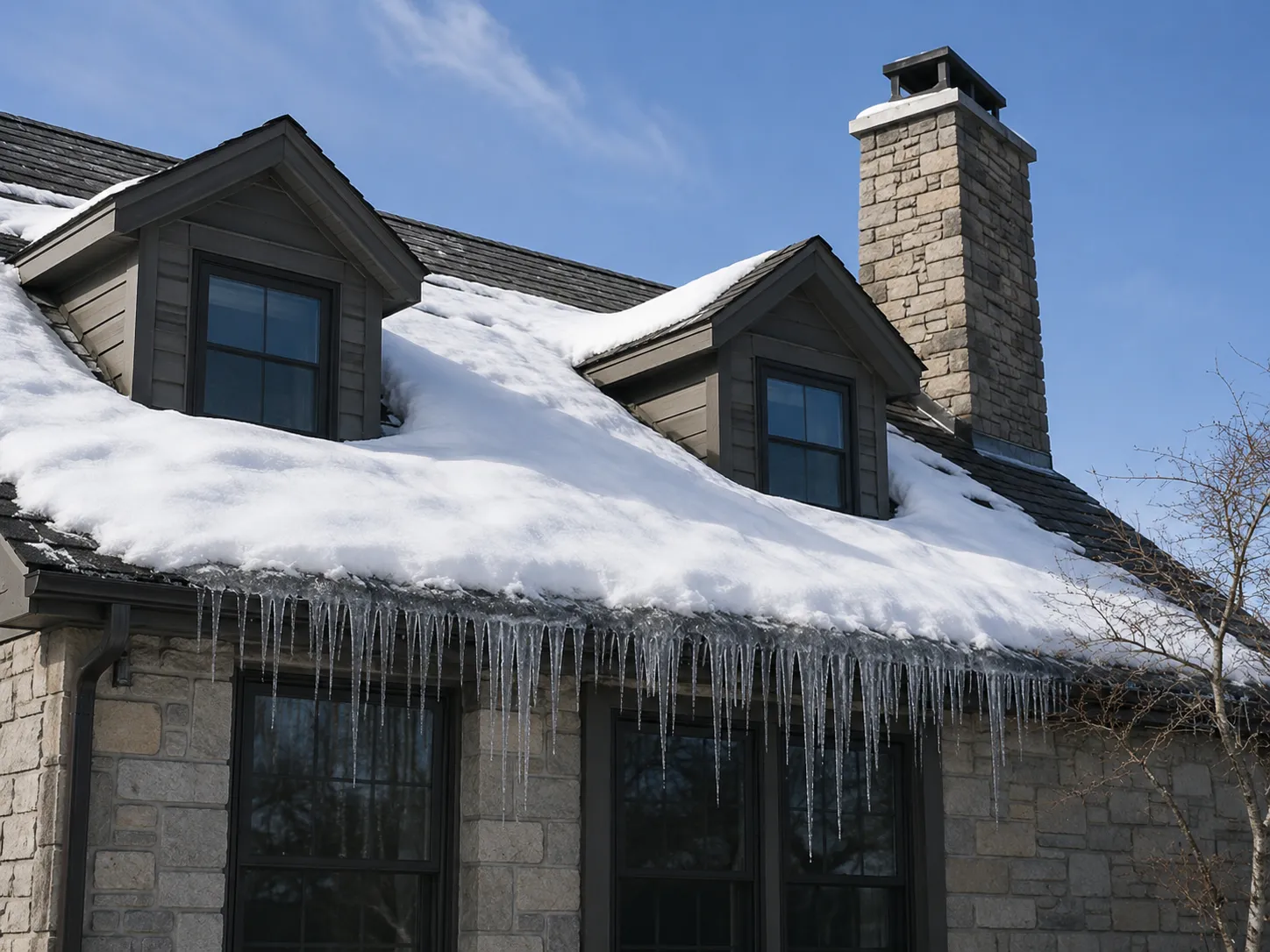
4. Ice Dams (Cold-Climate Homes)
Melting snow refreezes at the eaves, forcing water under the shingles.
Prevention steps:
- Improve attic insulation and ventilation so the roof stays uniformly cold
- Install heat cables or roof de-icing systems if you have a history of ice dams
- Keep the upper roof clear of snow buildup near the eaves
- Ensure proper soffit and ridge venting year-round
5. Tree Branches and Debris Buildup
Overhanging limbs drop leaves, pine needles, and twigs that trap moisture and scratch shingles. Falling branches cause direct impact damage.
Prevention steps:
- Trim trees so no branches are within 10 feet of the roof surface
- Keep roof valleys and low spots completely clear of debris
- Schedule professional tree trimming every 2–3 years
6. Improper Installation or Normal Aging
Roofs installed incorrectly or past their expected lifespan (20–30 years for asphalt, 40–70 for metal) leak first at the weakest points.
Prevention steps:
- Know your roof’s age and material type
- Schedule professional inspections every 3 years after the roof reaches year 15
- Replace the roof before it reaches 80% of its expected lifespan if you see multiple signs of wear
7. Plumbing Vent Boots and Skylight Seals
Rubber boots around plumbing vents dry out and crack. Skylight seals harden and separate over time.
Prevention steps:
- Replace rubber vent boots every 10 years
- Reseal skylights and their flashing every 5 years
- Use high-quality, UV-resistant sealants designed for roofing
For a deeper dive into the most frequent leak sources in residential homes, read our article on common causes of roof leaks and how to prevent them.
Understanding Your Roof Type and Its Unique Vulnerabilities
Asphalt shingle roofs (most common in the U.S.): most susceptible to granule loss and wind uplift.
Metal roofs: excellent longevity but vulnerable at seams and fasteners.
Concrete or clay tile roofs: heavy and durable but can crack from impact or thermal movement.
Wood shake roofs: beautiful but require the most frequent maintenance due to organic material.
Knowing your specific roof type lets you focus prevention efforts where they matter most.
Year-Round Roof Maintenance Checklist
Spring (March–May)
- Full gutter cleaning and downspout flush
- Inspect for winter storm damage
- Check and reseal flashing and vent boots
- Trim any new spring growth on nearby trees
Summer (June–August)
- Remove debris from valleys and low spots
- Test attic ventilation (ensure no hot spots)
- Inspect shingles for curling or granule loss
- Clean roof surface with low-pressure water if moss or algae appears
Fall (September–November)
- Final gutter cleaning before leaves drop
- Inspect for summer storm damage
- Look for early signs of granule loss
- Prepare for winter by clearing debris
Winter (December–February)
- Keep roof clear of excessive snow near eaves (use a roof rake safely from the ground)
- Watch for ice dam formation
- Monitor for any new ceiling stains after heavy snow
Advanced Prevention Techniques for 2026
- Cool roof coatings (reflective white or light-colored coatings) that reduce heat buildup and extend shingle life
- Self-adhering underlayment in valleys and around penetrations
- Gutter guards with lifetime warranties
- Smart leak-detection sensors in the attic (early warning systems)
- Zinc or copper strips to prevent algae and moss growth
These upgrades pay for themselves within 5–8 years through extended roof life and lower energy bills.
How Climate Affects Your Roof and What to Do
Homes in hurricane-prone areas need extra wind-rated shingles and sealed eaves.
Homes in hail zones benefit from impact-resistant shingles.
Northern states must prioritize ice-dam prevention.
Southern states should focus on UV protection and ventilation.
Adjust your maintenance schedule to match your local weather patterns.
When to Call a Professional Roof Inspector
Do-it-yourself checks are helpful, but certain situations require a licensed roofer right away:
- Roof is older than 15 years
- You’ve had any leaks in the past 5 years
- You notice any of the 5 emergency signs
- You’re buying or selling a home
- You live in an area with frequent severe weather
Annual professional inspections after year 15 are the single best investment you can make in roof leak prevention.
Temporary Solutions While You Wait for Professionals
If you discover a leak during heavy rain, safe temporary measures can limit damage until help arrives. Never walk on a wet or compromised roof.
See proven, safe methods in our supporting article how to temporarily stop a roof leak.
The Bottom Line
Preventing roof leaks is far easier and cheaper than repairing them.
By understanding the common causes, following a simple seasonal maintenance plan tailored to your roof type and climate, and knowing exactly when to call for professional help, you can protect your home from water damage for decades.
Start with a thorough inspection this season and build your prevention routine from there. A little consistent attention now saves thousands of dollars and countless headaches later.