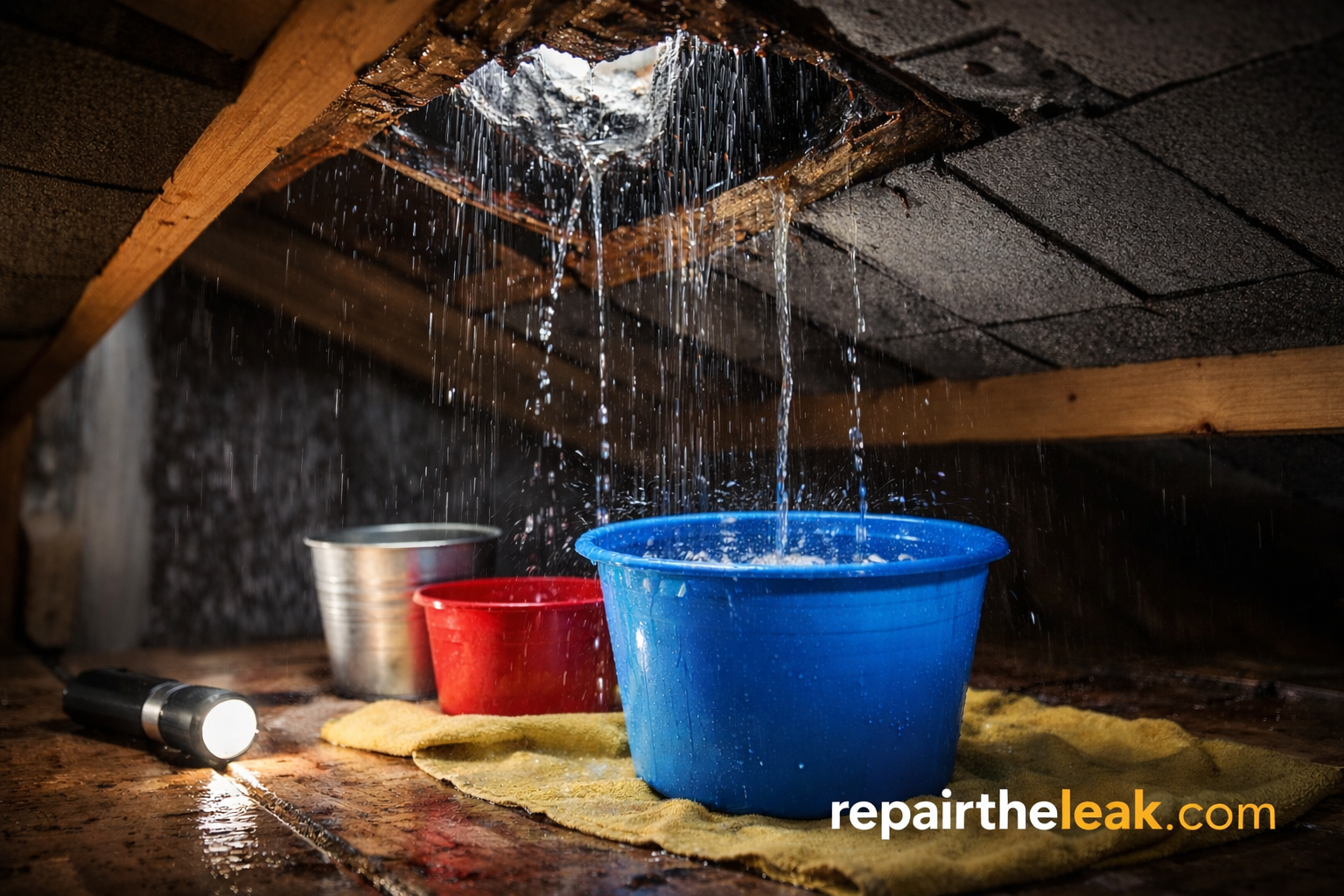
In 2026, roof leaks remain the number one complaint to the BBB (40% of all roofing complaints) and the top reason homeowners replace their roofs (33% of replacements). Leaks affect nearly 6 million U.S. households right now.
The good news? Almost every leak follows one of just seven predictable patterns. Catch the cause early and you can stop it for a few hundred dollars instead of facing $8,000–$15,000 in water damage.
This article breaks down the exact causes, how they show up on different roof types, and the simple prevention steps that work in today’s climate and with 2026 materials.
1. Damaged or Aging Shingles (Most Common Overall)
Aging or storm-damaged shingles are still the leading cause in 2026. Granules wear off, edges curl, and wind rips them loose.
Prevention
- Inspect twice a year (spring + fall) for curling, cracking, or missing pieces
- Replace the entire roof at 80% of its expected life (20 years for standard 3-tab asphalt, 25–30 for architectural)
- Choose impact-resistant shingles in hail-prone areas
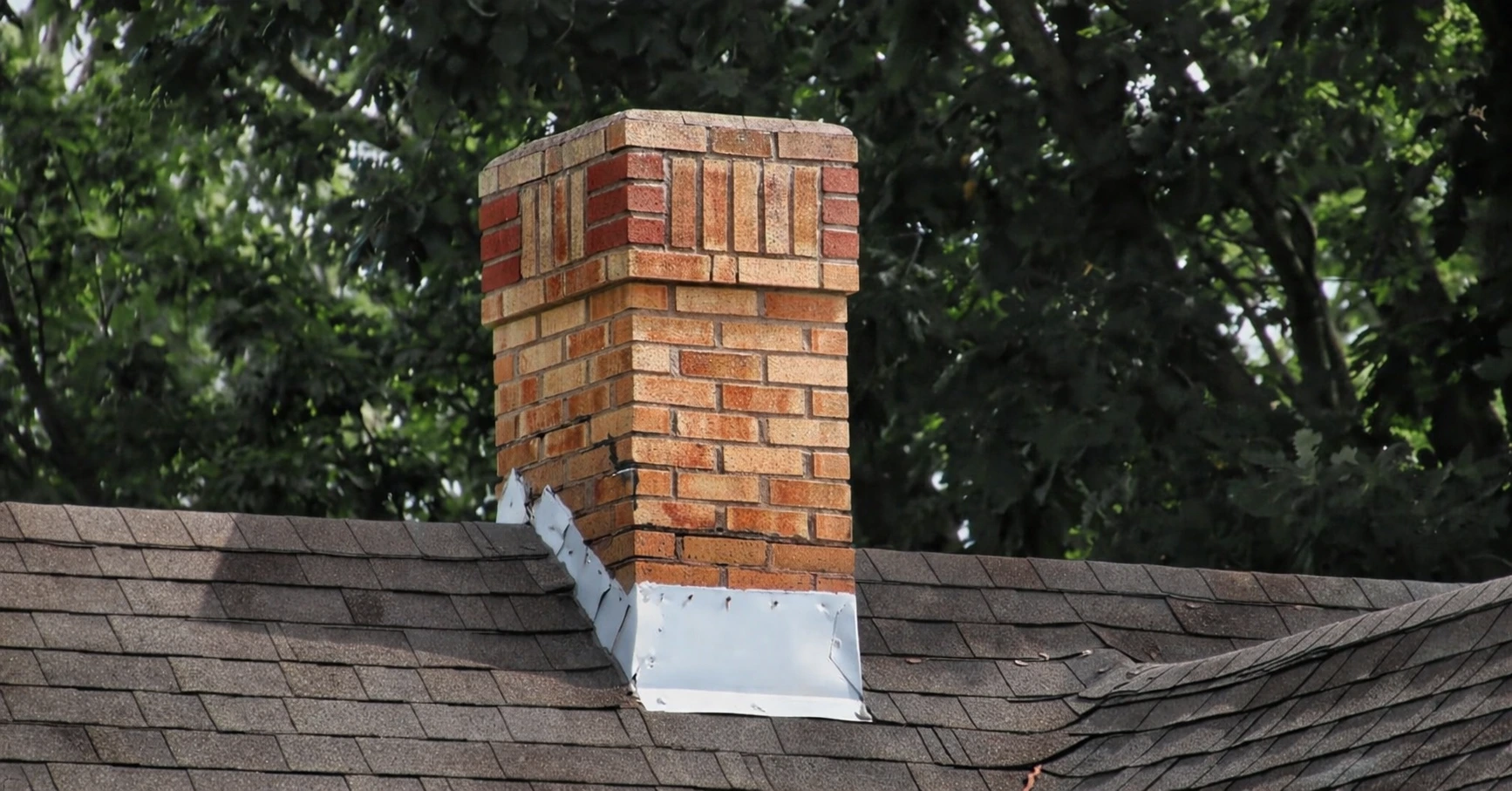
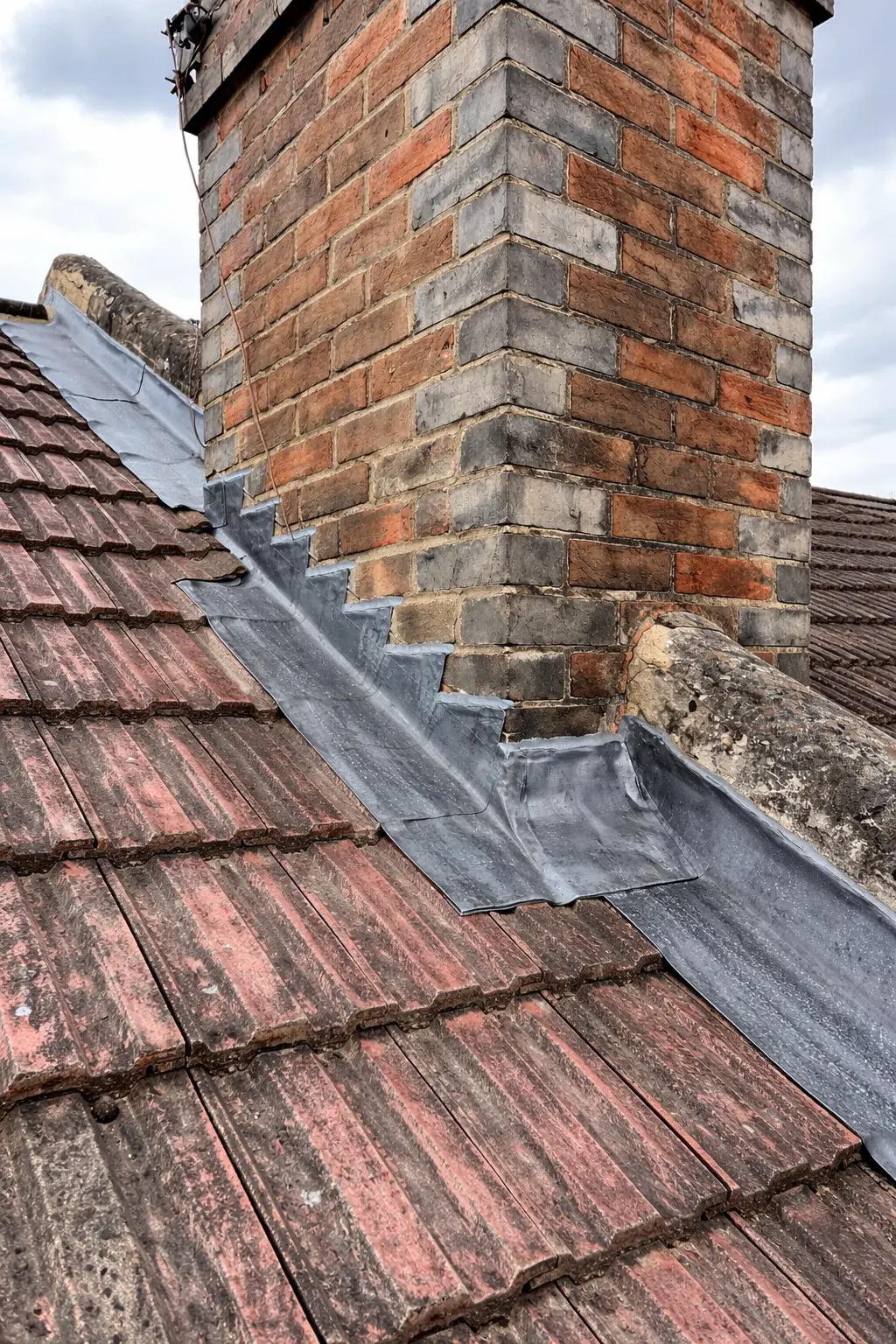
2. Failed Flashing Around Chimneys, Vents & Skylights
Flashing failures cause roughly 60–70% of leaks on homes older than 10 years. Rubber boots crack, metal rusts, and sealant dries out.
Prevention
- Reseal all flashing every 5 years
- Replace rubber pipe boots every 10 years
- Use high-quality step flashing and counter-flashing during any repair
3. Clogged Gutters and Downspouts
Overflowing gutters force water under the shingles. This is especially bad after heavy leaf drop or in areas with pine needles.
Prevention
- Clean gutters twice a year (or install lifetime gutter guards)
- Extend downspouts at least 5 feet from the foundation
- Add leaf filters if you have overhanging trees
4. Ice Dams (Northern & Mountain States)
Melting snow refreezes at the eaves and pushes water uphill under the shingles.
Prevention
- Increase attic insulation and ventilation so the roof stays cold
- Install heat cables or de-icing systems if you’ve had ice dams before
- Keep the upper roof clear of snow buildup with a roof rake (used safely from the ground)
5. Tree Debris and Overhanging Branches
Leaves, twigs, and falling limbs trap moisture and cause direct impact damage.
Prevention
- Trim branches so nothing touches the roof (minimum 10 feet clearance)
- Clear valleys and low spots after every storm
- Schedule professional tree trimming every 2–3 years
6. Poor Ventilation & Attic Heat Buildup
Trapped heat and moisture accelerate shingle aging and cause premature cracking.
Prevention
- Ensure balanced soffit + ridge ventilation
- Add a ridge vent if your roof is older than 15 years
- Consider cool-roof coatings (reflective white or light colors) that lower attic temperatures by 20–30°F in 2026
7. Improper Original Installation or Normal Aging
Many leaks trace back to shortcuts taken 15–25 years ago or a roof simply reaching the end of its lifespan.
Prevention
- Know your roof’s age and material
- Schedule professional inspections every 3 years after year 15
- Replace before 80% of lifespan instead of waiting for multiple leaks
For a full year-round maintenance schedule and advanced 2026 prevention upgrades, see [the full guide on roof leak prevention] prevention](https://www.repairtheleak.com/blog/ultimate-guide-to-roof-leak-prevention).
How Much Do These Fixes Actually Cost in 2026?
- Minor flashing or shingle repair: $350 – $1,500
- Full section replacement + decking: $2,000 – $6,000
- Complete re-roof (preventive): $8,000 – $15,000 (varies by size and material)
Acting on the cause early almost always keeps you in the lower range.
The Bottom Line
Every roof leak in 2026 has a clear, preventable cause — usually one of the seven above. By addressing the root issue instead of just patching symptoms, you protect your home, your wallet, and your peace of mind for decades.
Start with a ground-level check this weekend and build the simple habits that stop leaks before they start.