When water starts dripping into the living room, many homeowners immediately search for a "roof leak sealing service." The natural assumption is that a professional can simply arrive, spray a heavy-duty waterproof coating over the affected area, and solve the problem for good.
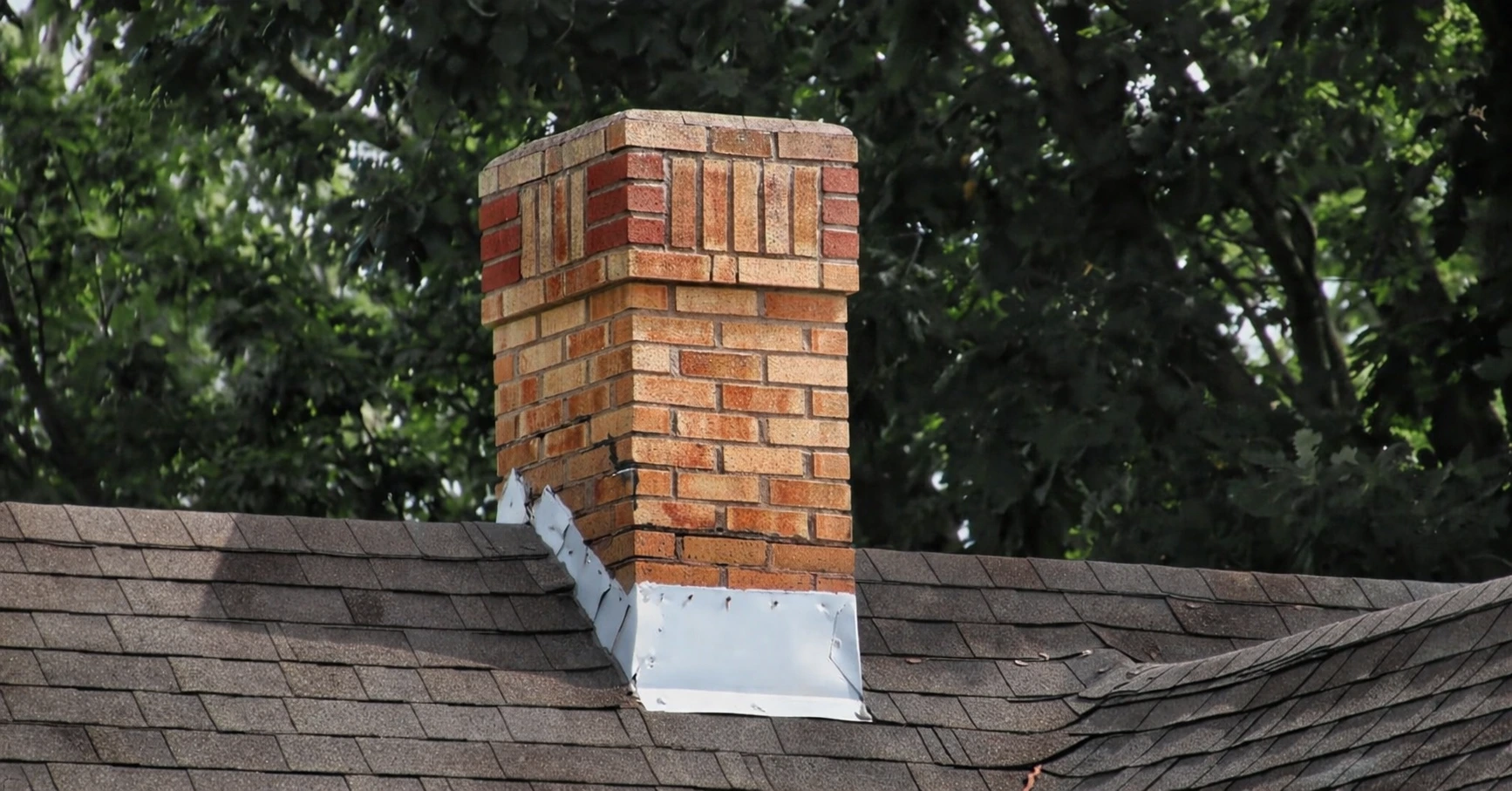
Unfortunately, genuine roof leak solutions are rarely that simple. The vast majority of localized roof leaks do not occur in the middle of a pristine field of shingles; they happen at the penetrations. Chimneys, skylights, plumbing vents, and roof valleys are the weakest points of any roof, and they rely on a complex system of metal flashing and specialized caulking to keep water out.
Understanding when a simple patch will work versus when you need a total flashing replacement is critical for protecting your home and managing your repair budget.
The Myth of the "Spray-On" Sealer
Before discussing legitimate repair methods, it is vital to address a common industry pitfall.
Important Warning: Be extremely wary of any contractor whose primary solution is to slather an entire chimney base or roof valley in thick, black roofing tar or liquid spray sealant.
These liquid sealants are temporary band-aids. The sun's UV rays will quickly bake the tar, causing it to harden, crack, and shrink within a single season. Worse, applying tar over a failing metal joint often traps existing moisture underneath, accelerating the rotting of your wood decking. Genuine roof leak prevention relies on proper water-shedding mechanics, not chemical adhesives.
When Patching and Sealing is the Right Solution
A professional roof leak sealing service involves the surgical application of high-grade polyurethane sealants to specific, minor failures. Sealing is an appropriate, cost-effective solution in the following scenarios:
- Dried or Cracked Caulking: The caulking around the top edge of chimney counter-flashing degrades naturally over 5 to 7 years. A professional can scrape out the old, hardened material and inject a new, climate-rated sealant bead.
- Minor Nail Pops: If an exposed nail head on a ridge cap or flashing seam has backed out slightly, driving it back in and sealing the head with roofing cement is a standard, permanent fix.
- Failing Plumbing Boots: The rubber gasket (boot) surrounding PVC plumbing vents dries out and cracks long before the surrounding shingles fail. Replacing this boot and sealing the base is a quick, inexpensive solution.
If you suspect you are dealing with one of these minor issues, reviewing the five signs you need emergency roof repair can help confirm if the problem is isolated or structural.
When Full Flashing Replacement is Required
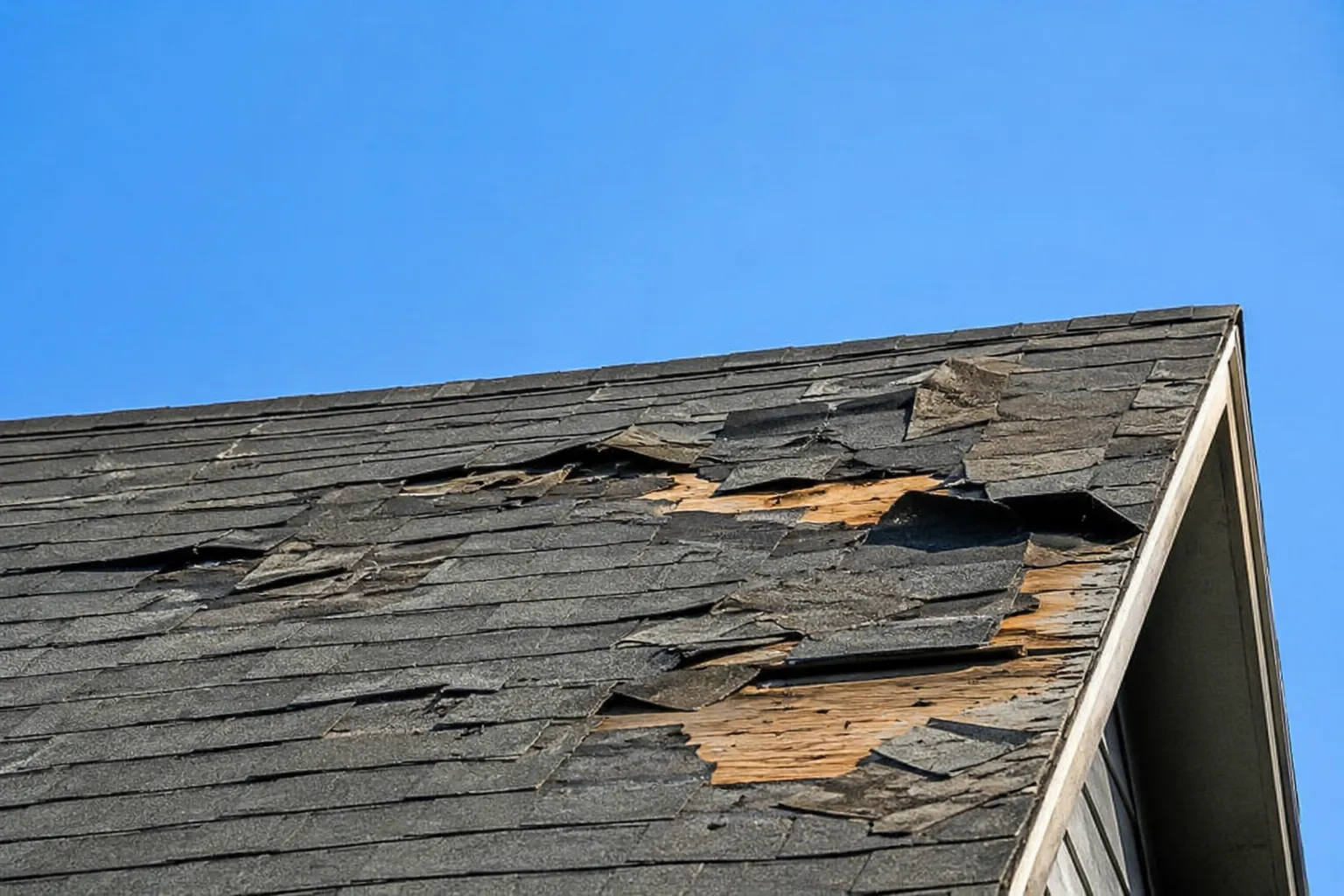
While minor sealing is affordable, relying on a tube of caulk to fix structural degradation will inevitably lead to a massive interior flood. Full flashing replacement is required when the core materials have failed:
- Rusted Metal: Once galvanized steel flashing begins to rust, its structural integrity is gone. No amount of sealant can permanently bond to flaking rust. The metal must be removed and replaced.
- Separated Step Flashing: The intricate L-shaped metal pieces woven under the shingles alongside a chimney or wall (step flashing) can be violently pulled apart by high winds or expanding winter ice. If the metal is physically bent out of shape, it cannot be safely bent back and glued down.
- Severe Storm Damage: If a massive tree branch or severe hail has dented the flashing, the aerodynamic water-shedding properties are ruined. In these cases, you should immediately secure a temporary roof tarp and schedule a complete tear-out and replacement.
Pricing and Materials: What to Expect
Understanding the economics of these two approaches helps you make an informed decision:
- Professional Sealing and Maintenance: Typically ranges from $200 to $500. This includes replacing rubber pipe boots, resealing chimney collars, and addressing minor caulking failures.
- Partial Flashing Replacement: A surgical "lift and relay" to replace a rusted chimney valley or failed step flashing usually costs between $500 and $1,500. It requires careful removal of surrounding shingles and custom metal bending.
- The Cost of Delay: Ignoring failing flashing because you want to save money almost always results in severe water damage to your attic, insulation, and drywall. The average cost to repair structural water damage in 2026 frequently exceeds $8,000.
Finding Real Roof Leak Solutions
Ultimately, a tube of sealant is not a substitute for proper roofing mechanics. If you are experiencing an active leak, you need a professional who will diagnose the root cause rather than just treating the symptom.
Explore your options for national emergency roof repairs to connect with specialists who will honestly assess whether your home needs a simple sealant touch-up or a code-compliant flashing replacement to keep you dry for the decades to come.