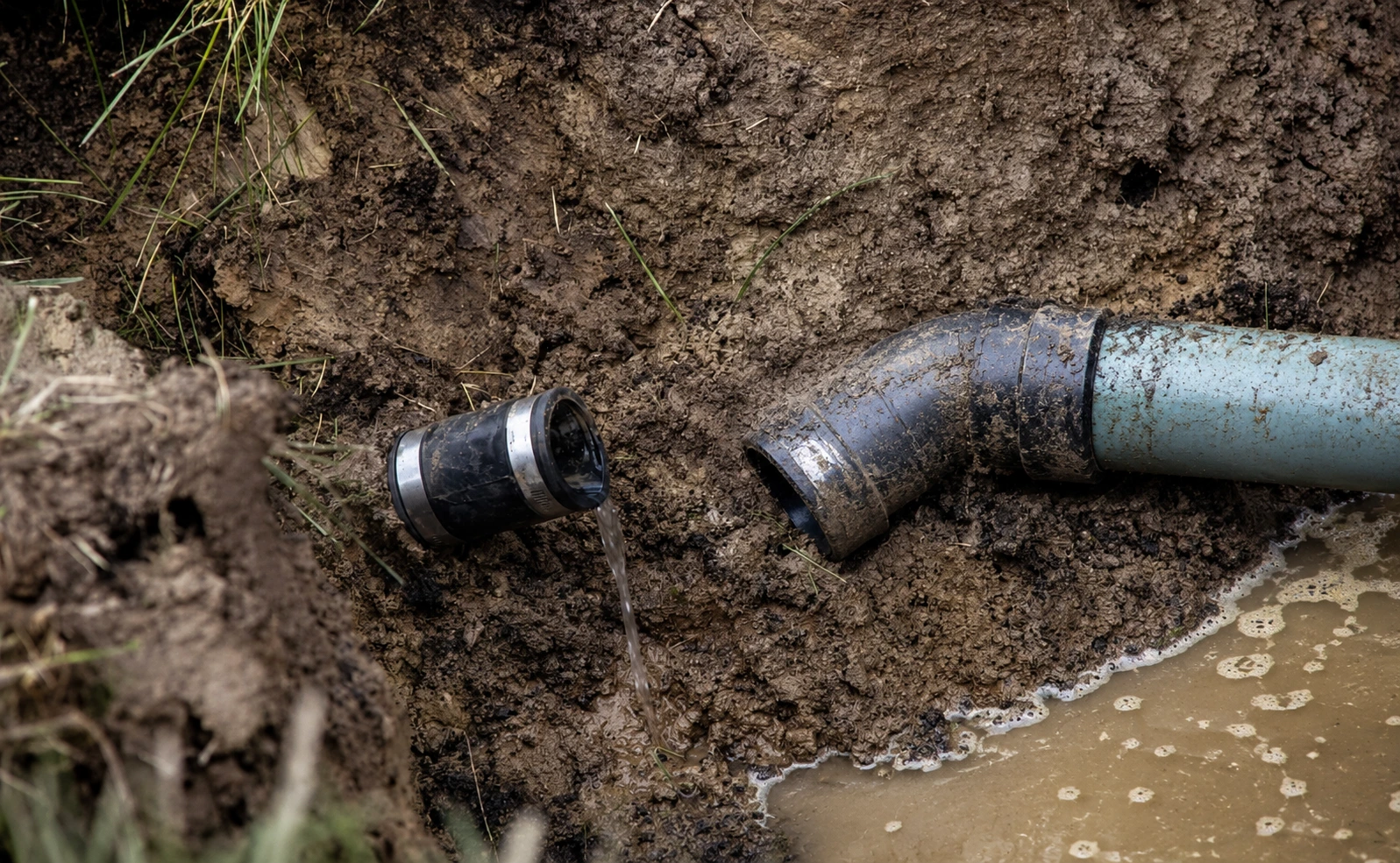
A main sewer line backup during a freezing Maine winter is a nightmare scenario. Not only are you dealing with a Category 3 biohazard inside your home, but excavating frozen ground to fix the underlying pipe is incredibly complex.
In Portland, repairing a sewer line is not just a plumbing issue; it is a legal and municipal process. If you own property in Cumberland County, understanding the extreme environmental stress your pipes face and the strict local codes governing their repair is vital to avoiding massive, unexpected bills.
The Portland Water District (PWD) Liability Rule
The most shocking discovery for many Portland homeowners facing a sewer collapse is where the city's responsibility ends and their liability begins.
According to the Portland Water District (PWD), the homeowner is entirely responsible for the "sewer lateral." This is the pipe that carries wastewater from your home all the way to the connection point at the city’s public sewer main.
This means you own the pipe even where it runs under the public sidewalk and the city street. If tree roots crush your lateral line out in the road right-of-way, it is your responsibility to pay for the repair, the municipal street opening permits, and the pavement restoration. Because of this, it is highly recommended that you verify your homeowner's insurance policy includes a robust Sewer Backup Endorsement.
Why Do Sewer Lines Fail in Maine?
While older Portland neighborhoods (like the West End and Deering) suffer from standard aging infrastructure—specifically degrading cast iron and clay pipes—the climate is the ultimate pipe killer.
1. The Deep Frost Line and Frost Heaves
The frost line in Southern Maine can reach depths of 4 to 5 feet. When the moisture in the soil freezes to this depth, it expands. This expansion creates upward pressure known as a "frost heave."
If an older sewer line is buried too shallow, or if the soil lacks proper drainage, the sheer force of the frozen earth heaving upward will snap rigid clay or cast iron pipes. When the spring thaw arrives, the ground settles unevenly, leaving the broken pipe with a "belly" (a sag) where solid waste pools and causes a permanent blockage.
2. Deep Root Intrusion
During dry Maine summers, the mature tree canopies lining Portland’s historic streets aggressively seek moisture. They easily infiltrate the loose, mortar-packed joints of older clay sewer lines. Once inside, the roots thrive in the nutrient-rich water, eventually forming a dense net that blocks flow and cracks the pipe wide open.
The High Cost of Excavation in Portland
If your lateral line has failed under the street, traditional "dig-and-replace" excavation in Portland is extraordinarily expensive.
Before a shovel hits the dirt, you must navigate the City of Portland Permitting & Development office. You will need:
- A standard Plumbing Permit (PT Permit) for the work on private property.
- A Street Opening Permit / Right-of-Way Permit (UR or UC Permit) for work that extends into the street.
- Payment for traffic control, street closure fees, and the city's steep Pavement Restoration Fees (often exceeding $125 per square yard of asphalt).
Trenchless Sewer Repair: The Winter Solution
To bypass the massive costs of excavating a Portland street—especially when the ground is frozen solid—professional plumbers rely on Trenchless Sewer Repair technologies.
Pipe Bursting
If the old clay or cast iron pipe is completely collapsed, a hydraulic machine pulls a solid, continuous High-Density Polyethylene (HDPE) pipe through the existing line. The bursting head shatters the old pipe outward into the soil, dragging the new, root-proof pipe into its place. This often requires only two small access pits, saving your driveway and the public street.
CIPP Epoxy Lining (Cured-In-Place Pipe)
If the pipe is cracked from a frost heave but structurally intact, an epoxy-saturated liner is pulled through the line, inflated, and cured. This creates a brand-new "pipe within a pipe" that seals out roots and bridges minor gaps.
If you are experiencing slow drains across your entire house or foul odors in your basement, do not wait for a complete backup. Contact a 24/7 Portland emergency plumber immediately to perform a high-definition video camera inspection, diagnose the damage, and plan a code-compliant, trenchless solution.