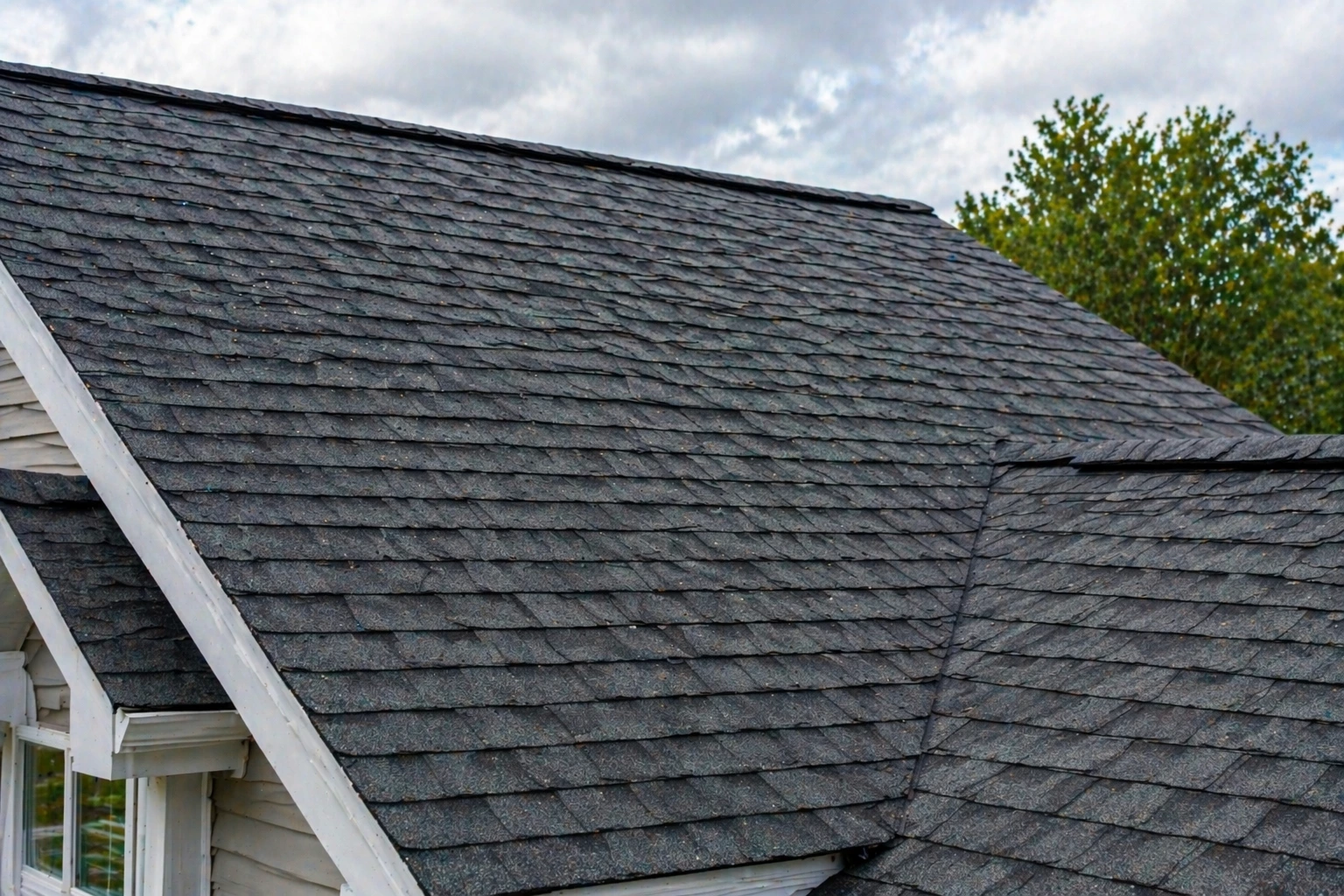
From the ornate Victorian homes in Old Louisville to the craftsman bungalows of Crescent Hill and the modern subdivisions spreading across Jefferson County, asphalt shingles are the most common roofing material in the area. While modern architectural shingles are highly durable, the volatile weather of the Ohio River Valley consistently pushes them to their breaking point.
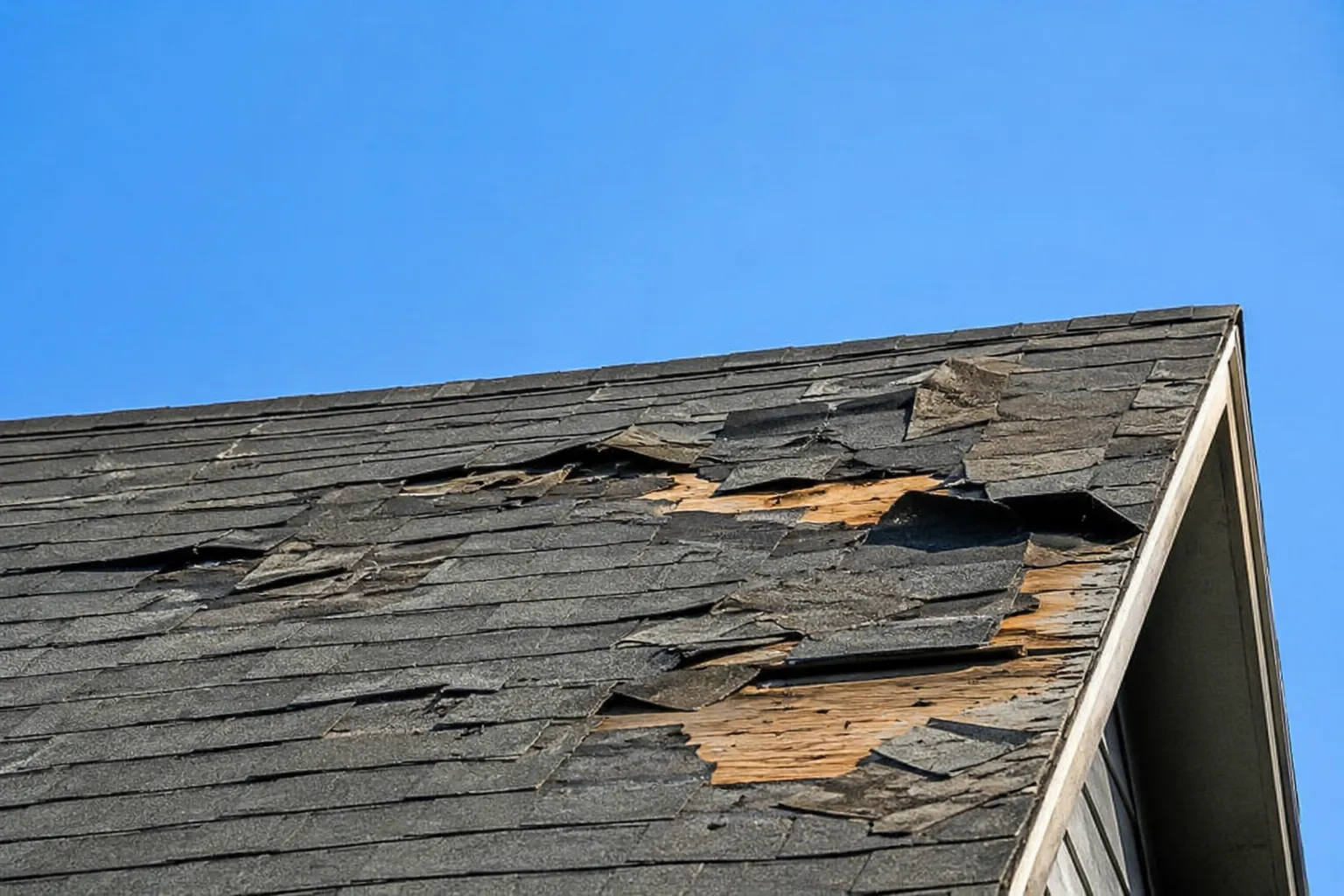
Louisville routinely experiences severe squall lines that produce straight-line winds exceeding 60 to 80 mph. When these powerful gusts tear across the river valley, they target the weakest points of your roof. Catching and repairing wind-damaged shingles early is the most effective form of year-round roof leak prevention.
How Kentucky Winds Destroy Shingles
Wind damage does not always mean a bare patch of plywood on your roof. Often, the damage is subtle but structurally devastating.
- Broken Adhesive Seals: Asphalt shingles rely on a sun-activated tar sealant strip to bond to the shingle below them. High winds create extreme aerodynamic uplift that breaks this seal. Once the seal is broken, the shingle is free to flap violently in the next storm.
- Creasing and Folding: As an unsealed shingle flaps back and forth in the wind, it develops a sharp crease along its top edge. This severe bending cracks the fiberglass mat inside the shingle, destroying its ability to shed water.
- Granule Loss: The abrasive force of a severe thunderstorm, especially when combined with small hail, strips the protective ceramic granules off the asphalt coating. Without these granules, the intense Kentucky summer sun will quickly bake the asphalt, causing it to dry out and crack.
Spotting the Hidden Damage
After a major storm passes through the metro area, you should immediately check for the warning signs of a compromised roof.
Walk the perimeter of your property and look for shingles blown into your yard. Check your gutters and downspout splash blocks; an unusually thick pile of dark, coarse sand means you have suffered severe granule loss. Finally, use binoculars to look at your roof's ridges and edges—the areas most susceptible to wind uplift. If you see shingles that look lifted, bent backward, or slightly darker than the rest of the roof, the seal has failed.
The Louisville Architectural Challenge
Repairing a shingle roof in Louisville is rarely a simple patch job, especially in historic or deed-restricted neighborhoods like the Cherokee Triangle or the Highlands.
Many local homeowners upgrade to premium architectural (dimensional) shingles because they mimic the historical look of natural slate or cedar shake at a fraction of the cost. If a section of these shingles blows off, the replacement must be visually seamless.
Important: Slapping a cheap, mismatched 3-tab shingle onto a high-end architectural roof will not only ruin your home's curb appeal but may also violate the guidelines of local neighborhood architectural review boards.
The Professional Repair Process
When high winds compromise your roof, attempting a DIY repair using roofing cement or exposed nails usually leads to a much larger roofing leak emergency later on.
A professional shingle replacement requires a precise technique. Roofing specialists will:
- Carefully break the seal on the healthy shingles located directly above the damaged area.
- Remove the nails securing the damaged shingle without tearing the surrounding materials.
- Slide a perfectly color-matched replacement shingle into place.
- Secure the new shingle with proper roofing nails driven at the correct angle.
- Hand-seal the replacement and surrounding shingles using a specialized roofing adhesive to restore the wind-resistant bond.
Secure Your Roof's Perimeter
A single missing shingle breaks the aerodynamic seal of your entire roof, allowing the wind to rip off adjacent shingles in a cascading failure. If your home has been battered by recent Ohio Valley storms, do not wait for water to appear on your ceiling.
Contact Louisville shingle repair specialists for a comprehensive assessment. Addressing wind damage while it is localized saves you thousands of dollars in water mitigation and full roof replacement costs.