When a plumbing emergency strikes in Portland, Maine, it rarely happens during a sunny afternoon. More often, it’s at 3:00 AM in the middle of a Nor’easter when the temperature has plummeted and your pipes have frozen solid. In our coastal climate, a plumbing failure isn't just an inconvenience—it’s a race against time to prevent catastrophic structural damage from ice expansion and water release.
Whether you are in the West End, Deering Center, or out toward Falmouth, you need a local response team that understands the specific infrastructure of the Portland Water District (PWD) and has the specialized equipment needed for Maine winters.
What Defines a Plumbing Emergency in Portland?
In Southern Maine, "emergency" has a specific definition centered around temperature and accessibility. If you encounter these issues, immediate action is required:
- Frozen Pipes (With or Without Bursting): If you turn on a faucet and nothing comes out during a cold snap, your lines are frozen. This is a critical emergency because the pipe is currently under immense pressure. Professional thawing is required immediately to prevent a burst pipe.
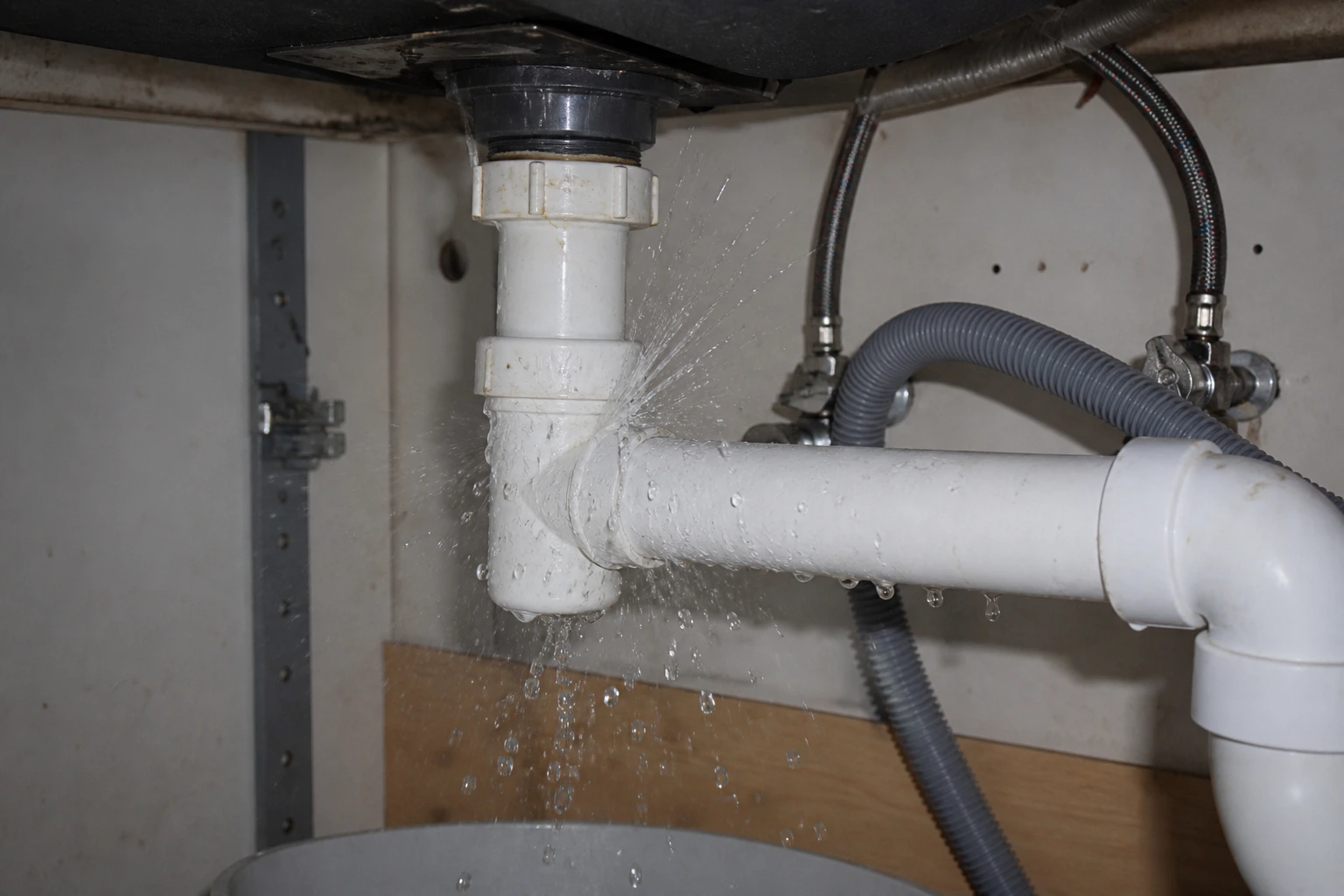
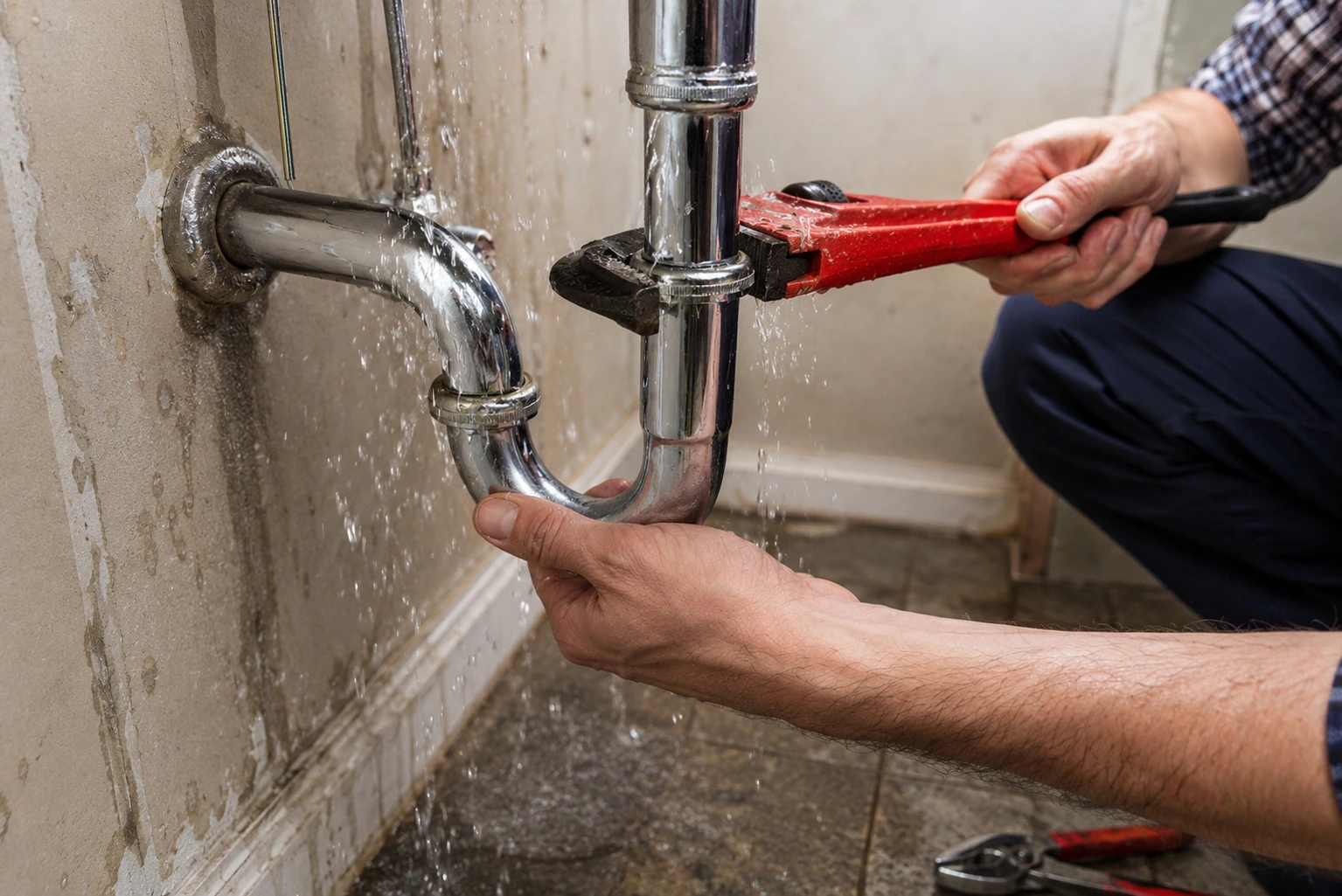
- Uncontrollable Water Flow: If a pipe has already ruptured, your primary goal is mitigation. If you cannot locate or turn your main shut-off valve, you need an emergency plumber to prevent a total basement flood.
- Sewer Backups and Frost Heaves: When the ground freezes deep (the frost line), older clay pipes can crack or shift. If sewage is backing up into your drains, you are dealing with a biohazard that requires specialized sewer repair.
- No Heat or Hot Water: In a Maine winter, a failed water heater isn't just about comfort—it's about keeping the ambient temperature in your utility rooms high enough to prevent other pipes from freezing.
The Portland Emergency Protocol: Immediate Action
Before our team arrives at your door, follow these steps to limit the damage:
- Shut Down the Water: Locate your main shut-off valve. In most Portland homes, this is in the basement where the line enters from the street. Turn it clockwise until it is fully closed.
- Open Faucets: Relieve the pressure in the system by opening faucets throughout the house. This can sometimes prevent a frozen pipe from finally splitting.
- Safe Thawing (If Applicable): If you suspect a pipe is frozen, you can try to warm the area with a hair dryer or space heater. Never use an open flame or torch. If the pipe is behind a wall, stop and wait for professional thawing equipment.
- Consult the Master Guide: For a complete breakdown of immediate safety steps, see our guide to managing plumbing emergencies.
Why Local Portland Expertise is Non-Negotiable
Maine's plumbing challenges are unique, and a "generic" approach won't cut it when the temperature is sub-zero.
Specialized Thawing Technology
Unlike southern markets, Portland emergency plumbers carry specialized electrical pipe thawing machines. These units pass a safe, low-voltage current through metal pipes to heat them from the inside out, thawing sections that are buried deep within walls or beneath floorboards without requiring demolition.
Knowledge of Sebago Lake Water
Our water is soft, which is generally a benefit, but it can make older copper joints more brittle over time. We arrive prepared with the specific fittings and high-quality PEX materials needed to handle Portland's specific water chemistry during an emergency repair.
24/7 Coverage Across Greater Portland
We provide rapid-response dispatch to all neighborhoods and surrounding areas, including:
- The Peninsula (East End, West End, Old Port)
- Deering, North Deering, and Riverton
- Stroudwater and Libbytown
- South Portland, Westbrook, and Scarborough
Contact Portland’s Winter Response Team
Plumbing disasters don't wait for business hours, and neither do we. If you are facing a freeze, a flood, or a backup, you need a team that knows Portland's streets and Portland's pipes. We provide transparent, emergency-tier pricing and the aggressive mitigation needed to save your home from the elements.