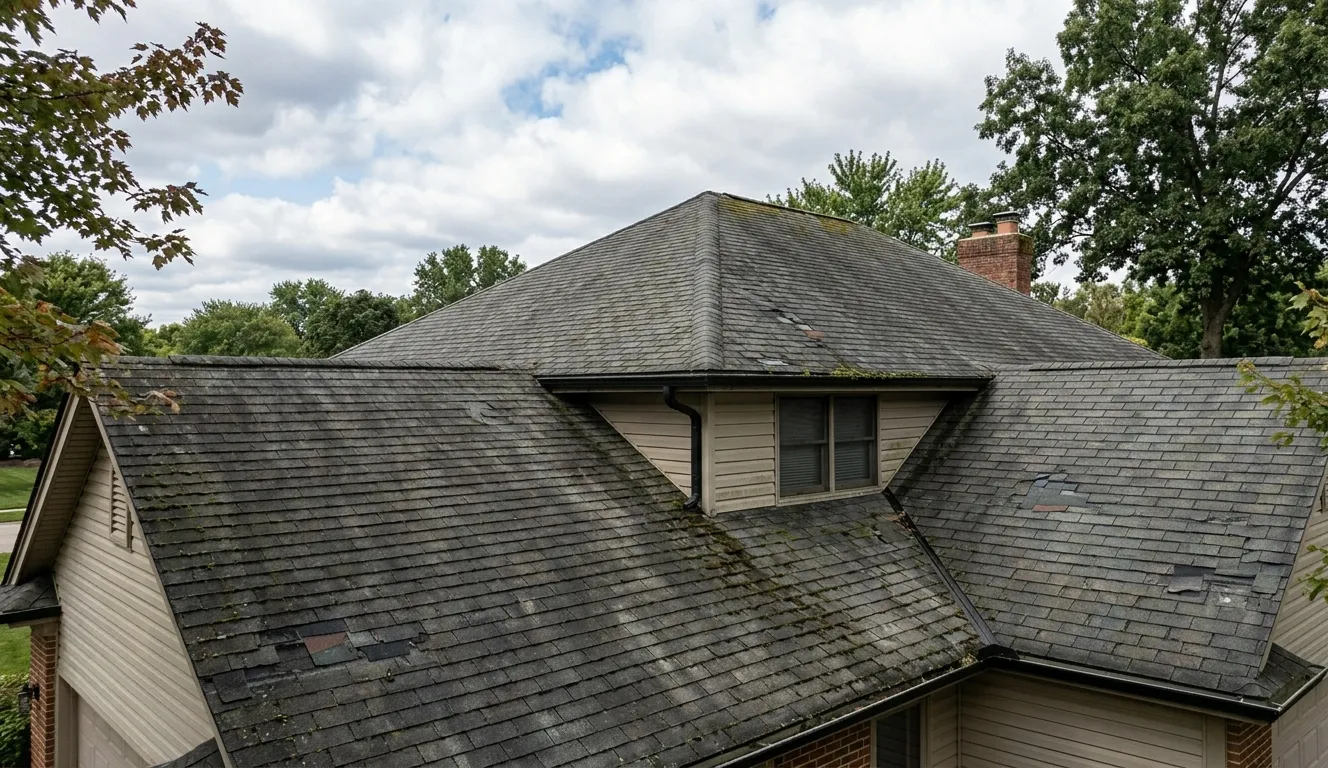
When a severe Ohio Valley squall line rips through Jefferson County, the aftermath leaves thousands of homeowners wondering how they will afford repairs. With the average cost of a full asphalt shingle roof replacement in Kentucky ranging from $7,000 to $12,000 in 2026 (and significantly more for architectural shingles common in historic Louisville neighborhoods), leveraging your homeowner's insurance policy is critical.
However, insurance companies do not automatically hand out checks just because it was windy. Successfully navigating a storm damage repair claim requires understanding exactly what adjusters look for and adhering to strict Kentucky filing deadlines.
The Kentucky Filing Timeline: Do Not Wait
The biggest mistake a homeowner can make after a severe storm is waiting for a visible leak to occur before inspecting the roof.
In Kentucky, the legal statute of limitations for filing a property damage lawsuit is two years. However, your specific insurance policy dictates your actual filing window—and it is much shorter. Most standard homeowner's policies require you to file a claim within 180 days to 12 months of the "date of loss" (the exact date the storm occurred).
If you attempt to file a claim for spring hail damage during the following winter, the insurance company will likely deny it, citing that you failed to report the damage promptly. You must document the specific date and time the severe weather hit your neighborhood.
Proving Wind and Hail Damage to Adjusters
Insurance adjusters are trained to distinguish between sudden, catastrophic storm damage (which is covered) and normal wear-and-tear or manufacturer defects (which are not covered).
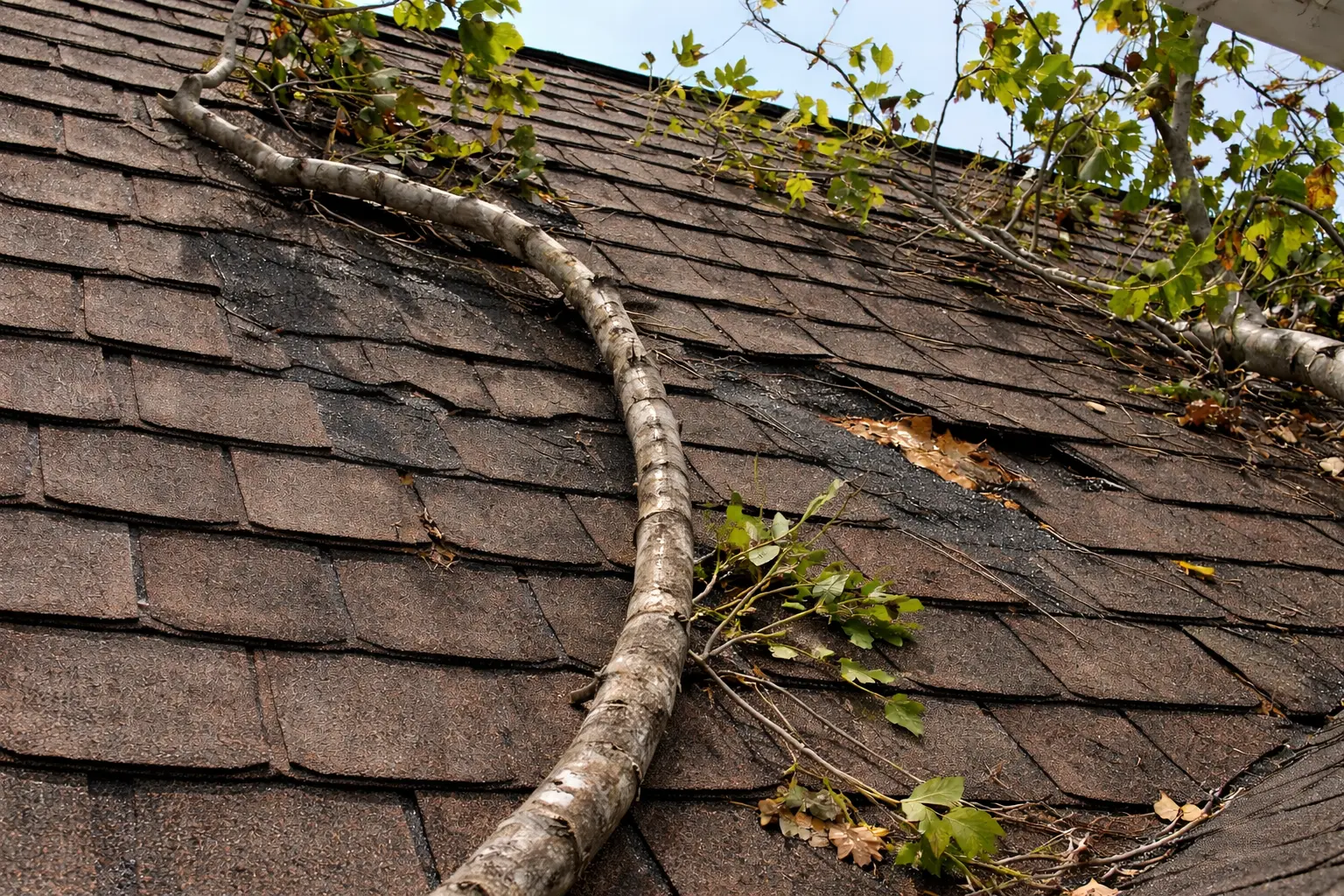
- Wind Damage Proof: To approve a claim for straight-line wind damage, the adjuster needs to see broken sealant strips, creased shingles where the wind folded them backward, or completely missing shingles that exposed the underlayment.
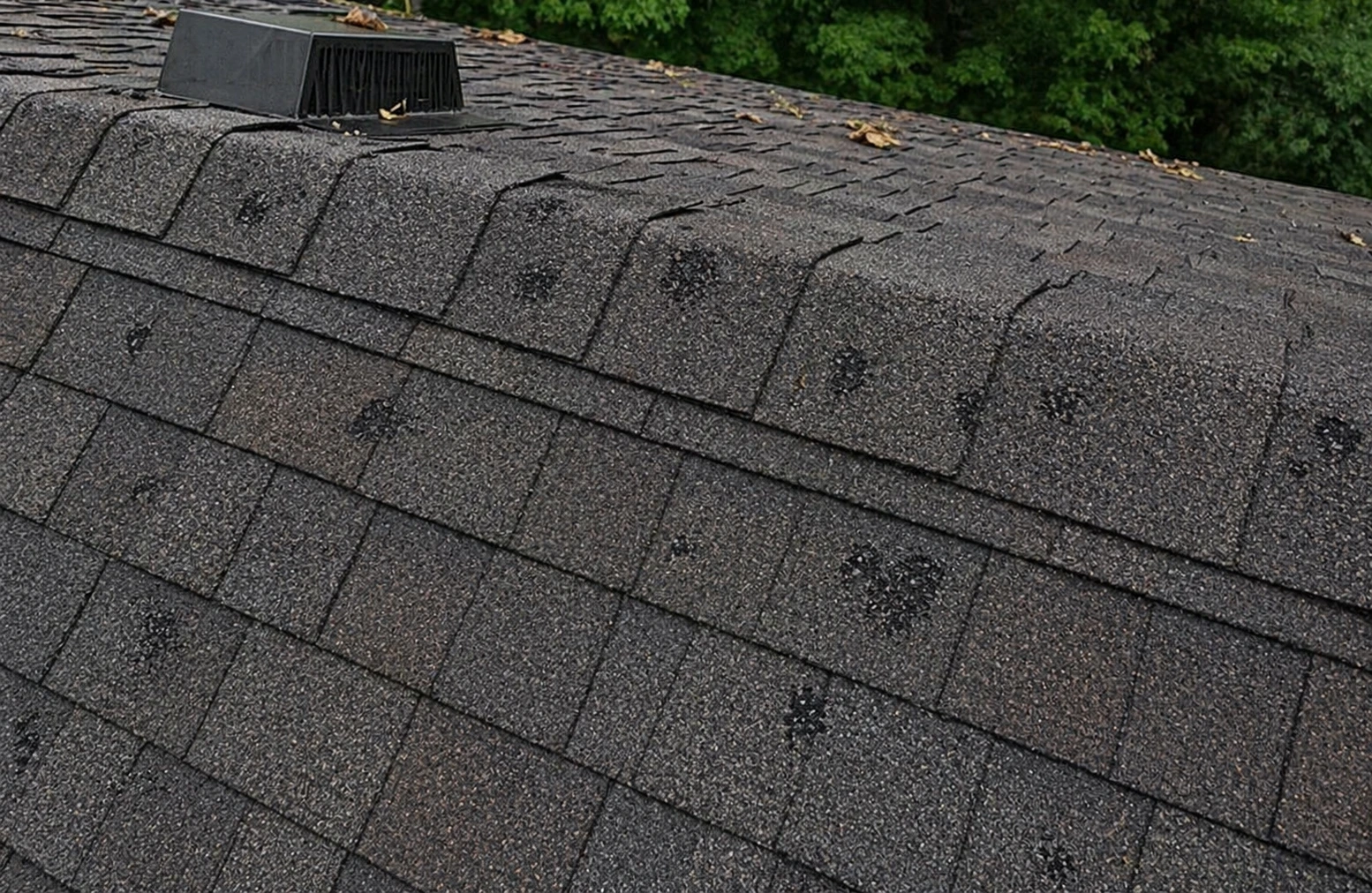
- Hail Damage Proof: Adjusters look for specific "bruising." Hail impacts crush the fiberglass mat inside an asphalt shingle and dislodge the protective ceramic granules. The adjuster will typically inspect a 10-foot by 10-foot "test square" on each directional slope of your roof. Depending on your carrier, they usually need to find 8 to 12 distinct hail hits within that single square to justify a full replacement rather than a small patch.
The Dangers of the "Discovery Rule"
Sometimes, wind damage is invisible from the ground, and a leak doesn't penetrate the interior until months later. While Kentucky law acknowledges a "discovery rule" for hidden damage, proving to an insurance company that the leak was definitively caused by a storm six months ago is an uphill battle.
Insurance companies often argue that the secondary interior water damage could have been prevented if the homeowner had mitigated the problem earlier. This is why immediate, post-storm inspections are non-negotiable.
Getting Professional Advocacy in Louisville
Never climb onto your roof to take photos for your adjuster. Not only is it dangerous, but you likely do not know exactly what mechanical failures to document. Furthermore, never sign a contingency agreement with an out-of-state door-knocker who promises to "waive your deductible"—this is a major red flag for insurance fraud.
Instead, before your adjuster arrives, have your roof professionally documented. Consult with local Louisville roof repair specialists to conduct a granular assessment. Local experts understand the precise documentation and photographic proof your Kentucky insurance carrier requires, ensuring your claim is fairly evaluated and your home is fully restored.