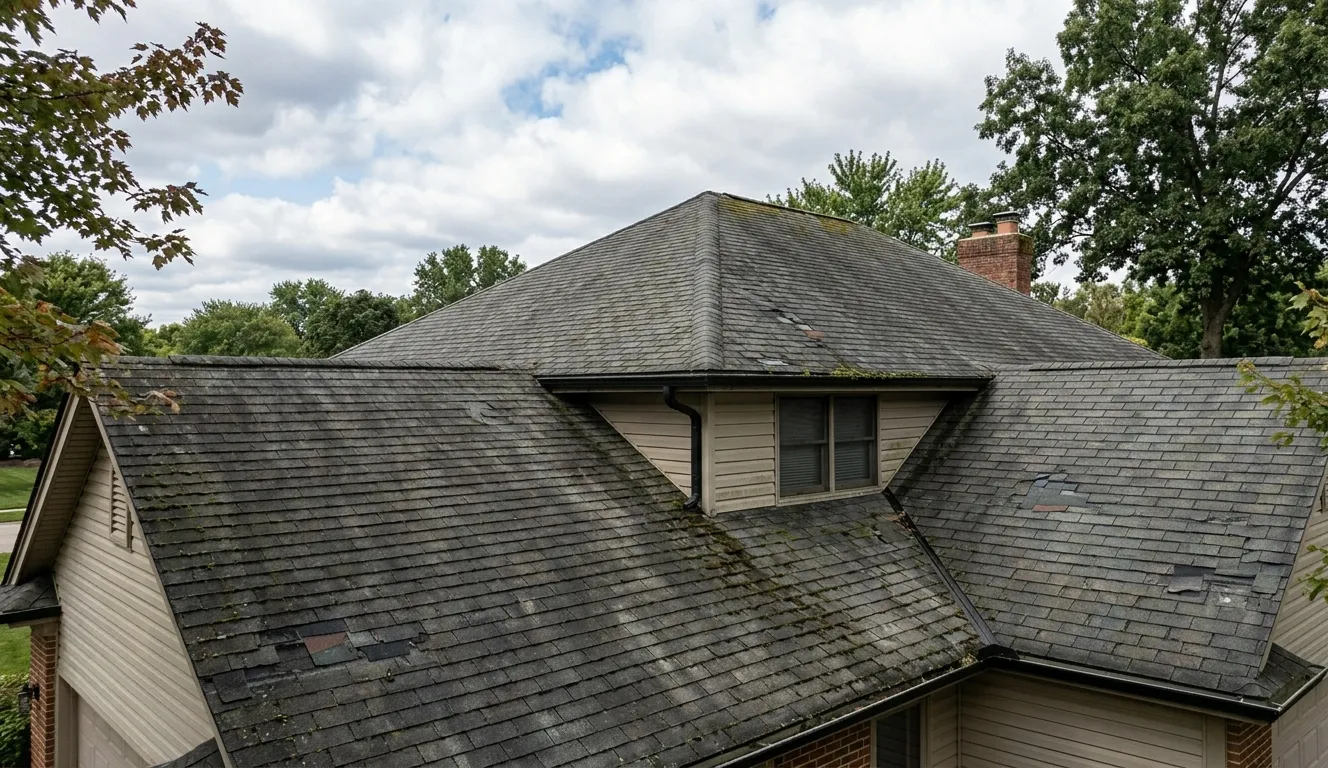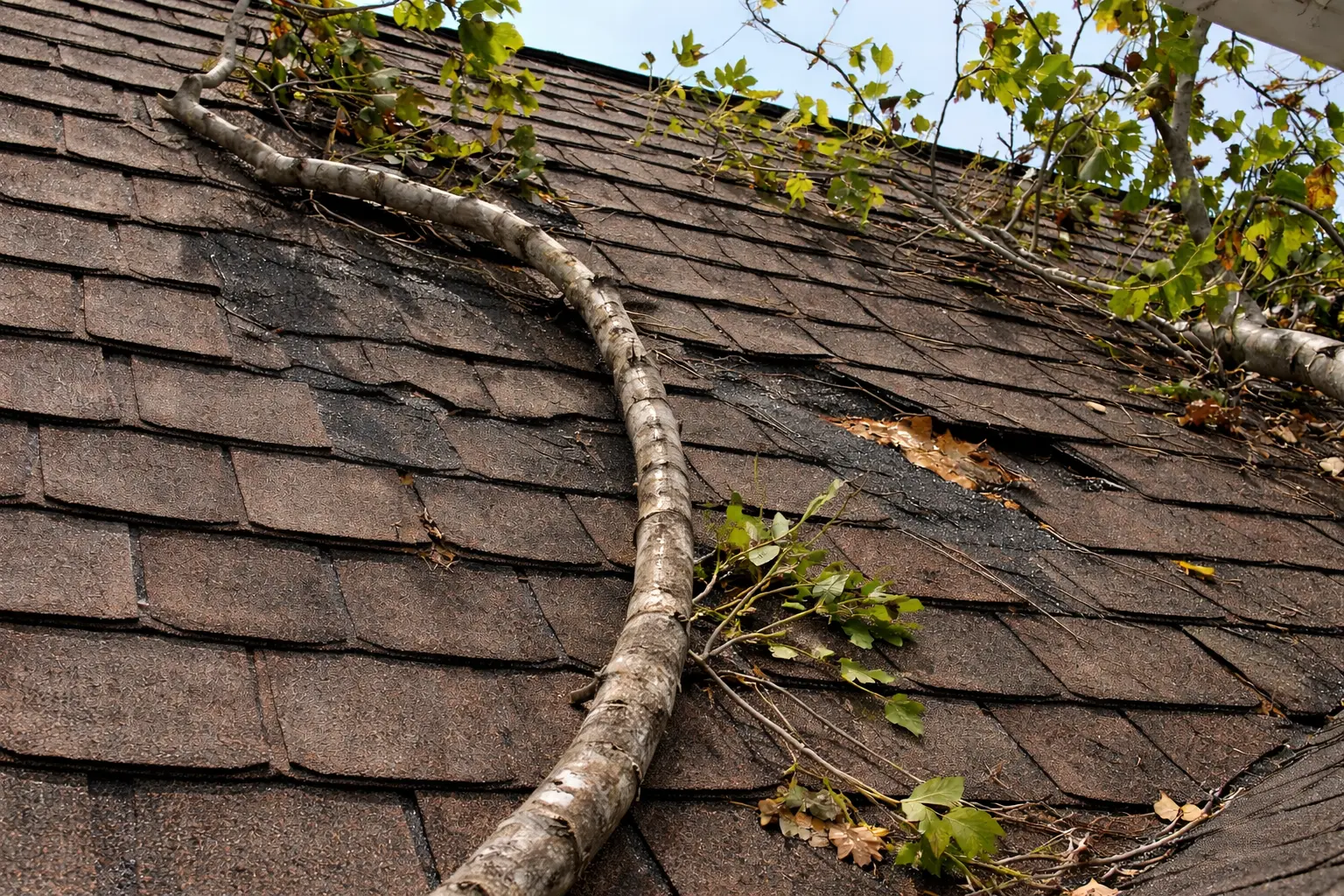
Lancaster County sits squarely in a high-risk zone for severe Midwest weather. Every spring and summer, supercell thunderstorms pummel Lincoln with destructive hail, leaving millions of dollars of property damage in their wake.
Because severe hail compromises the structural integrity of your roof, causing leaks months down the line, a full replacement is often the only permanent solution. However, getting your homeowner's insurance to cover that replacement requires understanding exactly how the claims process works in Nebraska. If you have recently suffered storm damage, here is your guide to successfully navigating the insurance maze.
The Nebraska Filing Window
One of the most common reasons insurance companies deny hail claims is that the homeowner waited too long to file.
You should never wait for water to visibly drip from your ceiling before inspecting your roof after a major storm. Most standard homeowner's policies have a strict "Statute of Limitations" or a defined filing window—typically 180 days to one year from the exact "date of loss" (the day the hailstorm occurred).
Insurance adjusters have access to advanced meteorological data. If you claim hail damage but cannot pinpoint the specific storm date, or if you file a claim 14 months after the last recorded hail event in Lincoln, your claim will likely be denied.
What Adjusters Look For (The "Test Square")
Insurance adjusters do not blindly approve claims. They are trained to look for definitive proof that sudden, catastrophic hail—not normal aging or manufacturer defects—caused the damage.
When an adjuster climbs onto your roof, they typically map out a 10-foot by 10-foot "test square" on each directional slope of the roof. To approve a total replacement, they must find a specific number of distinct hail "hits" within those squares.
They are looking for:
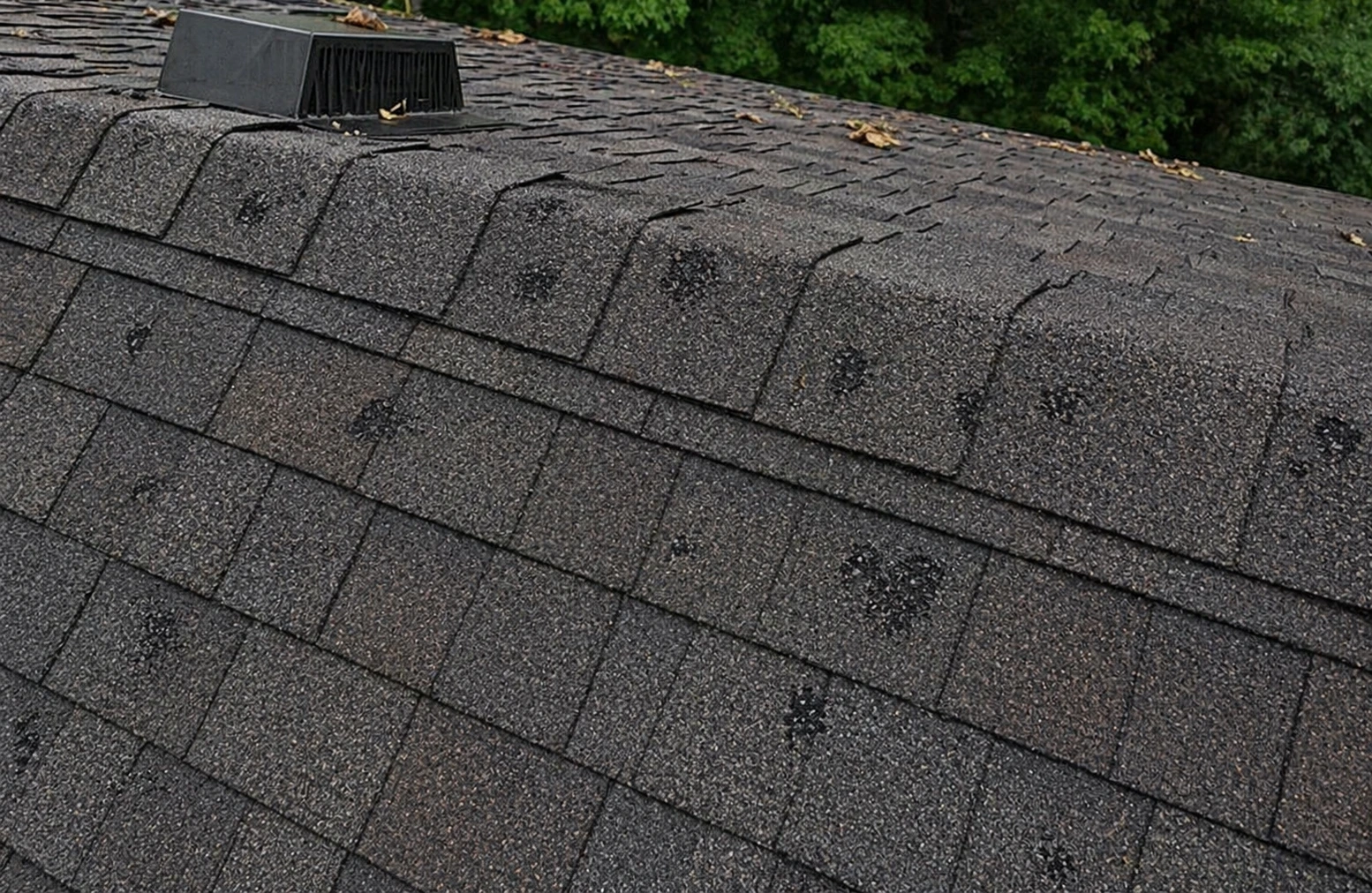
- Bruising: Circular impact marks that feel soft to the touch, indicating the underlying fiberglass mat has been crushed.
- Granule Loss: Areas where the protective ceramic granules have been violently stripped away, exposing the black asphalt beneath.
- Collateral Damage: Adjusters will also inspect your gutters, window screens, siding, and AC condenser fins for matching denting to corroborate the severity of the storm.
Avoid the "Storm Chaser" Trap
After a massive Lincoln hail event, out-of-state roofing contractors often flood the neighborhoods, knocking on doors and offering free inspections. Many will promise to "waive your deductible" or offer aggressive discounts if you sign a contingency contract on the spot.
Important Warning: In Nebraska, waiving a homeowner's insurance deductible is illegal and constitutes insurance fraud. Participating in this can jeopardize your entire claim and leave you legally liable.
Secure Local Advocacy First
You should not rely solely on the insurance adjuster's assessment, as they ultimately work for the insurance company. Before you file a claim, it is highly recommended to have your roof inspected by established, local Lincoln roof repair professionals.
A localized expert can document the specific hail bruising with high-resolution photos, ensuring you have the necessary mechanical proof to support your claim before the adjuster even arrives on the property.