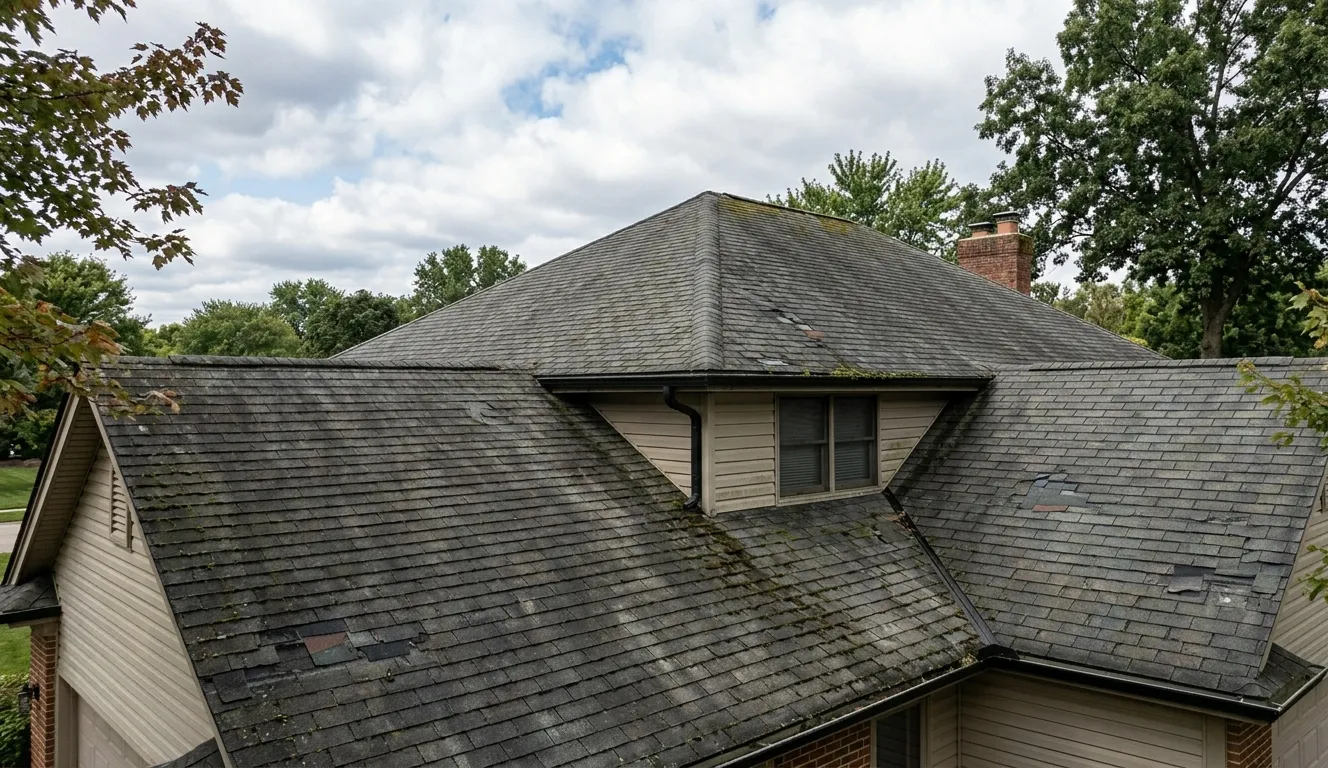
Nestled in the Platte River valley, Fremont boasts beautiful neighborhoods and a strong community, but its location in Dodge County places it squarely in the path of severe Midwest weather. Spring and summer across eastern Nebraska frequently bring powerful supercell thunderstorms capable of dropping destructive hail and producing straight-line winds that rival minor tornadoes.
When these storms pass over Fremont, your roof is the first line of defense. If that defense fails and water begins dripping into your living space, understanding exactly how storm damage compromises roofing materials is crucial to finding the right, permanent fix.
The Hidden Impact of Nebraska Hail
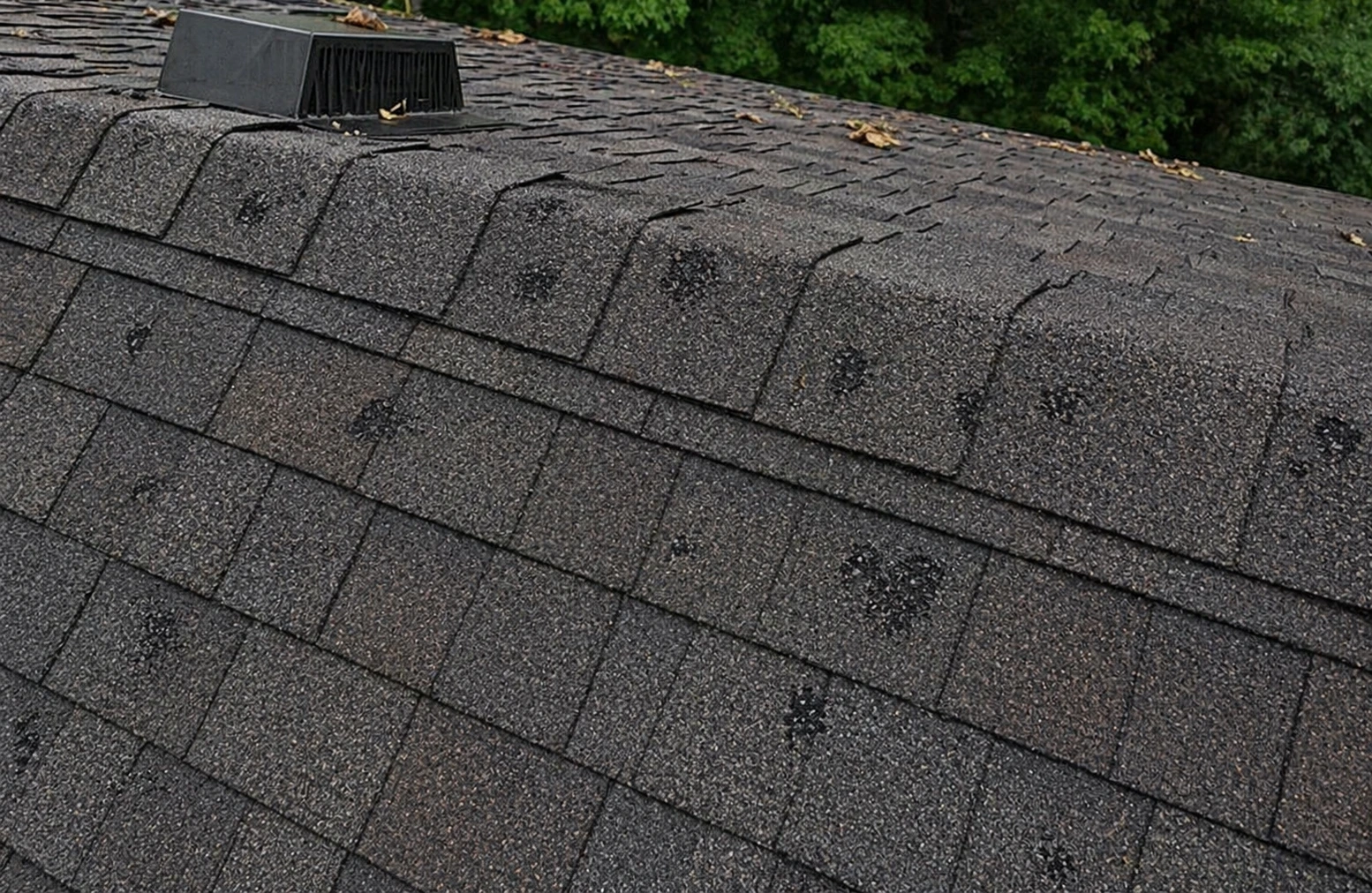
A common mistake homeowners make after a severe storm is assuming their roof is undamaged just because there are no obvious, gaping holes visible from the driveway. Hail damage is often subtle, but its effects are structurally devastating.
When hail strikes an asphalt shingle, it creates a localized impact zone called a "bruise." This impact crushes the fiberglass matting inside the shingle and knocks away the protective ceramic granules on the surface. Without those granules, the raw asphalt is exposed to the intense Nebraska summer sun. Over the next few weeks, the UV rays bake the exposed asphalt, causing it to dry out, crack, and eventually allow rain to pass straight through to your wood decking.
If you find an unusual amount of dark, coarse sand in your gutters after a storm, your roof has likely suffered severe granule loss and is highly vulnerable to leaking.
Wind-Driven Rain and Lifted Shingles
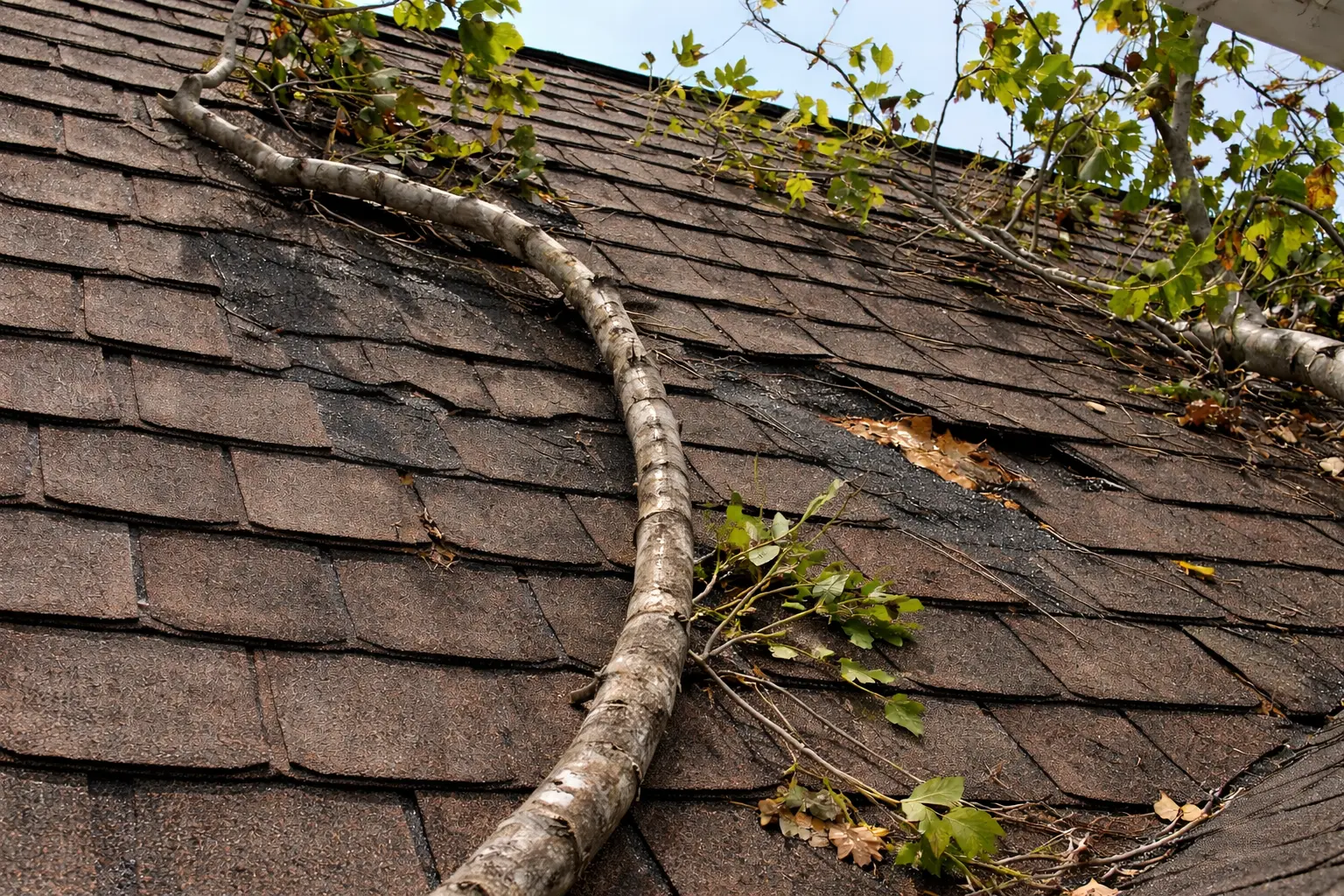
Alongside hail, Fremont storms frequently pack straight-line winds exceeding 60 to 70 mph. These winds cause a unique type of failure that standard causes of roof leaks rarely account for: horizontal water intrusion.
- Broken Seals: Asphalt shingles are secured by a sun-activated tar sealant. Intense wind creates aerodynamic uplift that literally pries the shingles upward, breaking this waterproof seal.
- Creased Materials: Once the seal is broken, the shingles flap wildly in the wind, creating sharp creases that crack the structural core of the material.
- Driven Rain: With the shingles lifted, the wind drives heavy rain horizontally underneath the roofing materials, completely bypassing the exterior armor and soaking the vulnerable felt underlayment and plywood decking.
Becoming Your Own First Responder
If your roof starts leaking during a Dodge County storm, you must take immediate action to protect your interior. Do not wait for the storm to pass completely before mitigating the damage inside.
Recognizing the five signs you need emergency roof repair will help you gauge the severity of the intrusion. Immediately clear the affected room of valuables, furniture, and electronics. Place large buckets or heavy-duty plastic storage bins under the drips. If the water is pooling in your ceiling and causing the drywall to bulge, use a screwdriver to carefully puncture the center of the bubble. This allows the water to drain cleanly and prevents a catastrophic ceiling collapse.
Safety Warning: Never attempt to act as your own roof leak fixer by climbing onto a wet or damaged roof. Slips and falls are incredibly dangerous, and applying temporary patches without proper training can void your insurance claim.
Professional Storm Restoration in Fremont
Once the severe weather has cleared, securing a temporary roof tarp should be your top priority. This stops the bleeding and gives you time to navigate the insurance process.
Beware of "storm chasers"—out-of-state contractors who flood into Nebraska after a major hail event. Always work with established, local Fremont roof repair professionals who understand local building codes and are equipped to permanently restore your roof's structural integrity, ensuring your home is ready for whatever the next season brings.