Living on the Emerald Coast offers an incredible lifestyle, but the reality of the climate is harsh on your home's exterior. Fort Walton Beach and the surrounding Okaloosa County area face a unique combination of extreme UV exposure, highly corrosive salt air, torrential summer downpours, and the ever-present threat of hurricane season.
When a severe coastal storm hits, wind-driven rain can turn a tiny, unnoticed vulnerability in your roof into an absolute disaster in a matter of minutes. If water is actively entering your home, rapid response is the only way to save your interior drywall, flooring, and electrical systems.
How Coastal Storms Exploit Your Roof
You do not need a Category 3 hurricane to sustain severe roof damage. The intense, fast-moving thunderstorms that frequently roll off the Gulf of Mexico pack enough punch to compromise standard residential roofing materials. Understanding the root causes of most roof leaks is crucial for homeowners in high-wind zones.
- Wind-Driven Rain: At 60+ mph, rain does not fall straight down; it moves almost horizontally. High winds easily lift the edges of asphalt shingles or pry at the seams of metal roofs, driving water straight upward and underneath the protective underlayment.
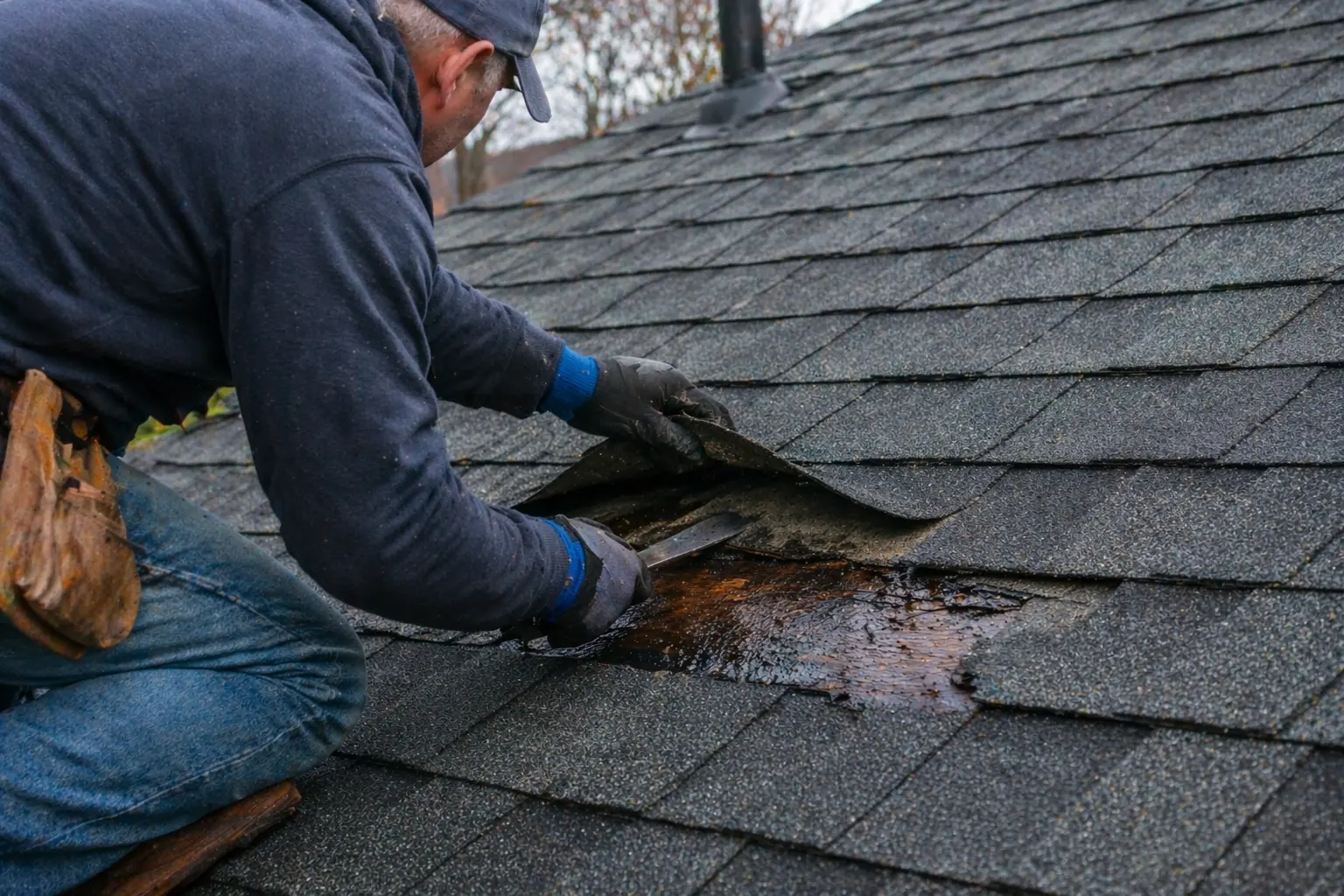
- Loss of Adhesion: The intense Florida sun bakes asphalt shingles year-round, gradually drying out the tar sealant strip that holds them down against high winds. When the next storm arrives, those unsealed shingles flap violently, eventually tearing off completely and exposing your raw wood decking.
- Corroded Fasteners and Flashing: The salt air in Fort Walton Beach dramatically accelerates rust. If standard galvanized nails or low-grade metal flashing were used during installation, they will corrode rapidly. A rusted flashing seam around your chimney or plumbing vent creates a direct funnel for storm water.
Spotting Hidden Wind Damage
After a squall line passes, it is essential to look for the early warning signs of a roof leak. Do not assume your roof is fine just because there is no gaping hole visible from the driveway.
Check your yard and gutters for torn shingles or excessive granular loss. Look closely at your roofline for shingles that appear "creased" or folded backward—this means the wind has broken the seal, and they will likely leak during the next rain. Inside the house, check the attic for damp rafters or sunlight showing through the roof deck.
Immediate Emergency Response
If you are dealing with an active leak during or immediately after a Panhandle storm, your focus must shift entirely to damage control and mitigation.
Safety Warning: Never attempt to climb onto your roof during a storm, high winds, or while the surface is wet. Florida roofs are incredibly slick, and lightning strikes are a serious localized threat during active weather.
- Protect the Interior: Move all furniture, electronics, and rugs out of the affected area. Lay down heavy-duty plastic drop cloths over your flooring.
- Drain the Ceiling: If water is pooling heavily above your drywall, it will eventually cause a catastrophic ceiling collapse. Carefully poke a small hole in the lowest point of the bulge with a screwdriver to let the water drain safely into a large bucket.
- Professional Tarping: The moment it is safe to do so, you will need to secure a temporary roof tarp to seal the breach. This heavy-duty temporary fix buys you the time needed to file an insurance claim and schedule permanent repairs.
Navigating Post-Storm Reality
After a major weather event in the Panhandle, it is critical to document everything for your insurance company. Take time-stamped photos of missing shingles in your yard, interior water damage, and any fallen branches that struck your roof.
It is equally important to avoid out-of-state "storm chasers" who knock on your door offering suspiciously cheap repairs or promising to waive your deductible. Always consult with established, local Fort Walton Beach roof repair professionals who understand strict Florida building codes, wind mitigation requirements, and the local insurance adjustment process.
Securing your roof properly after a coastal storm prevents secondary mold growth and structural rot, ensuring your home remains safe for years to come.